World · India Bureau
What's the formal process to remove India's election chief?
As protests demanding the removal of the Election Commission of India's leadership intensify, questions are being raised about the constitutional procedures required to oust the poll body's leadership. The removal of the election commissioner involves a lengthy, multi-step legislative process.
LSN India ·
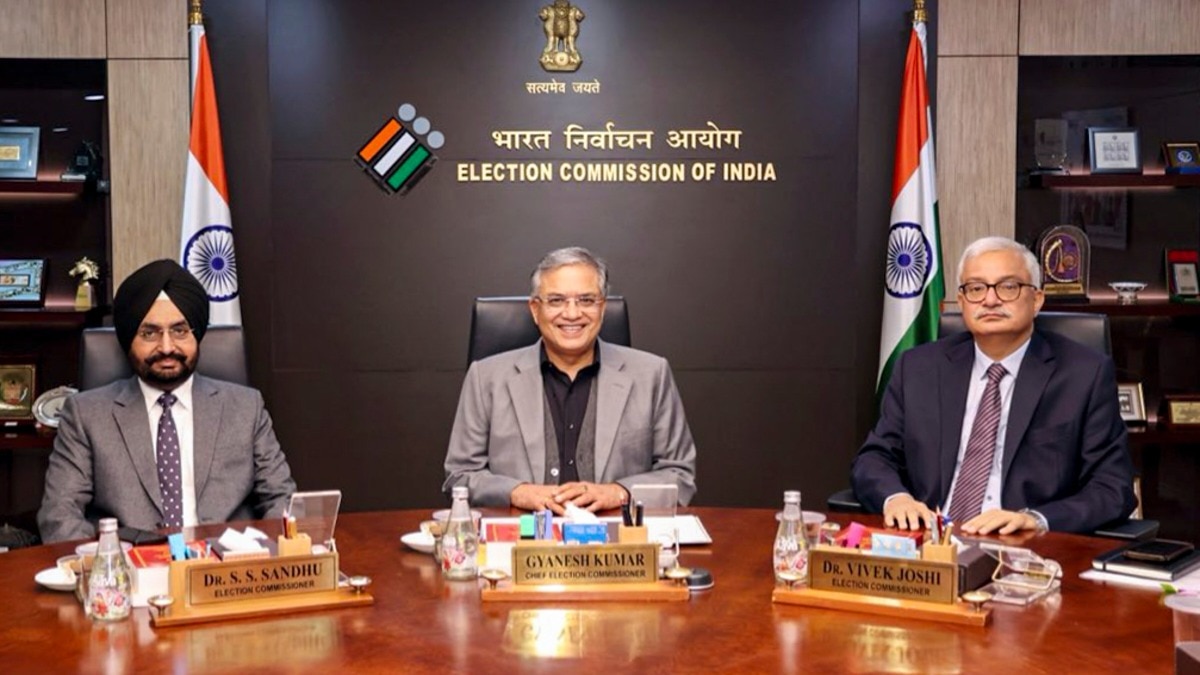
Demonstrators gathered at Jantar Mantar in New Delhi on October 10 to demand the removal of the Election Commission of India's leadership, reigniting public debate about how such officials can actually be removed from office. While protests represent public sentiment, they do not directly lead to institutional changes—India's constitutional framework outlines specific procedures for removing the poll body's top officials.
Under Article 324 of the Indian Constitution, the election commissioner can only be removed through impeachment, a complex parliamentary process. The removal requires the passage of a formal resolution in either house of Parliament supported by a simple majority. The process begins with a proposal that must be signed by a minimum number of lawmakers before being admitted for consideration.
The lengthy procedure is designed to ensure the independence and autonomy of the Election Commission, insulating it from political pressure. Once a valid resolution is moved, it must clear parliamentary scrutiny, debate, and voting before any action can be taken. This multi-layered approach means that removing an election commissioner cannot occur through street protests alone, regardless of their scale or intensity.
The constitutional safeguards reflect India's commitment to maintaining an independent electoral body. However, the existence of formal removal procedures also provides citizens and their elected representatives with legitimate constitutional avenues to address concerns about the poll body's functioning, distinct from public demonstrations.