World · India Bureau
What to do with leftover Diwali puja materials? Expert guidance
As households complete their Diwali prayers to Lakshmi and Ganesha, devotees are left with surplus flowers, garlands, lamps, and ritual water. Rather than discarding these sacred items, there are meaningful and environmentally conscious ways to handle them.
LSN India ·
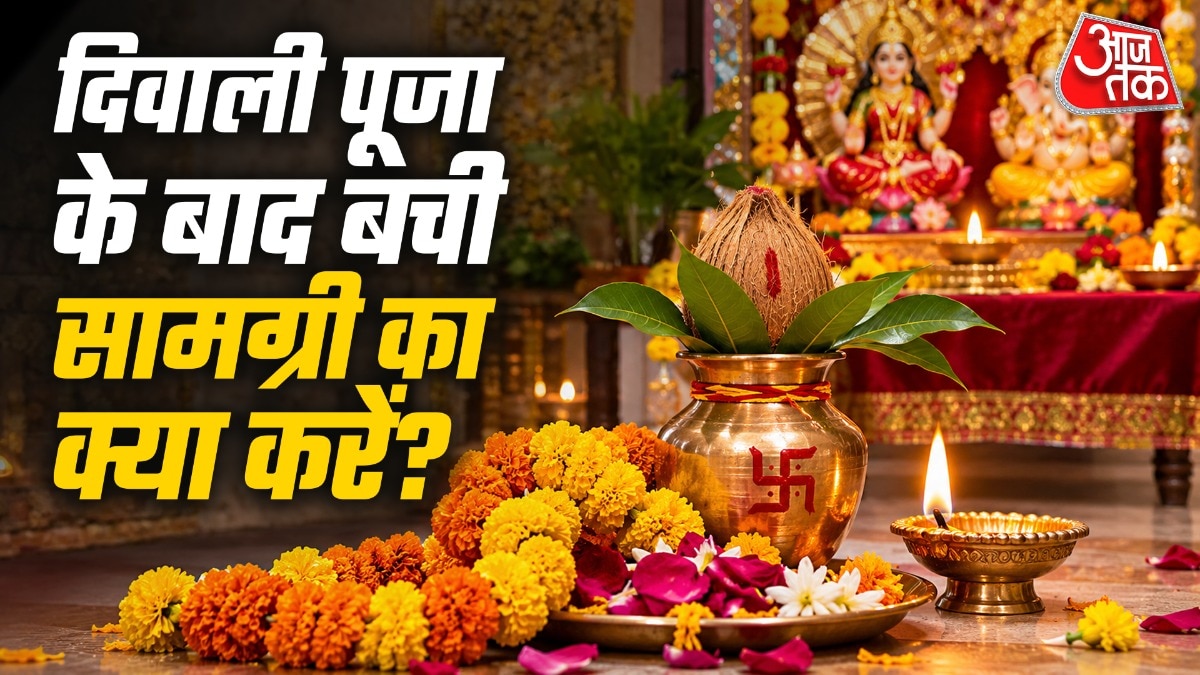
After the conclusion of Diwali festivities, many Indian households find themselves with leftover puja materials including flower garlands, oil lamps, incense sticks, blessed water, and ceremonial pots. These sacred remnants present a practical question for devotees seeking to dispose of them respectfully while adhering to religious principles.
Flowers and garlands used in worship can be composted or offered to cattle, as these materials are organic and biodegradable. Many temples accept wilted flowers for their composting facilities, which can later be used for temple gardens. Similarly, leftover prasad or blessed food offerings should not be wasted; these can be distributed among family members, neighbors, or donated to charitable organizations and animal shelters.
Oil lamps and diyas need not be discarded if they remain intact. These can be stored for use in the following year's celebrations or donated to temples and community centers. Incense sticks and other combustible materials should be disposed of safely in designated waste bins rather than scattered, as they pose fire hazards.
The water used during rituals, known as tirtha, traditionally holds spiritual significance. This can be poured into plants or gardens, believed to sanctify the earth, or respectfully discharged into flowing water sources. Some households preserve small quantities for medicinal or spiritual purposes throughout the year.
Environmental consciousness and respect for sacred materials need not be mutually exclusive. By adopting these practices, households can minimize waste while maintaining the sanctity of their religious observances during the festival season.