World · India Bureau
What to do with Navratri vessels after festival ends? Traditional practices explained
As Shardiye Navratri concludes, many Indian households face questions about disposing of ritual items used during the nine-day celebration. Traditional customs offer guidance on handling clay pots, eternal lamps, coconuts, and other sacred materials.
LSN India ·
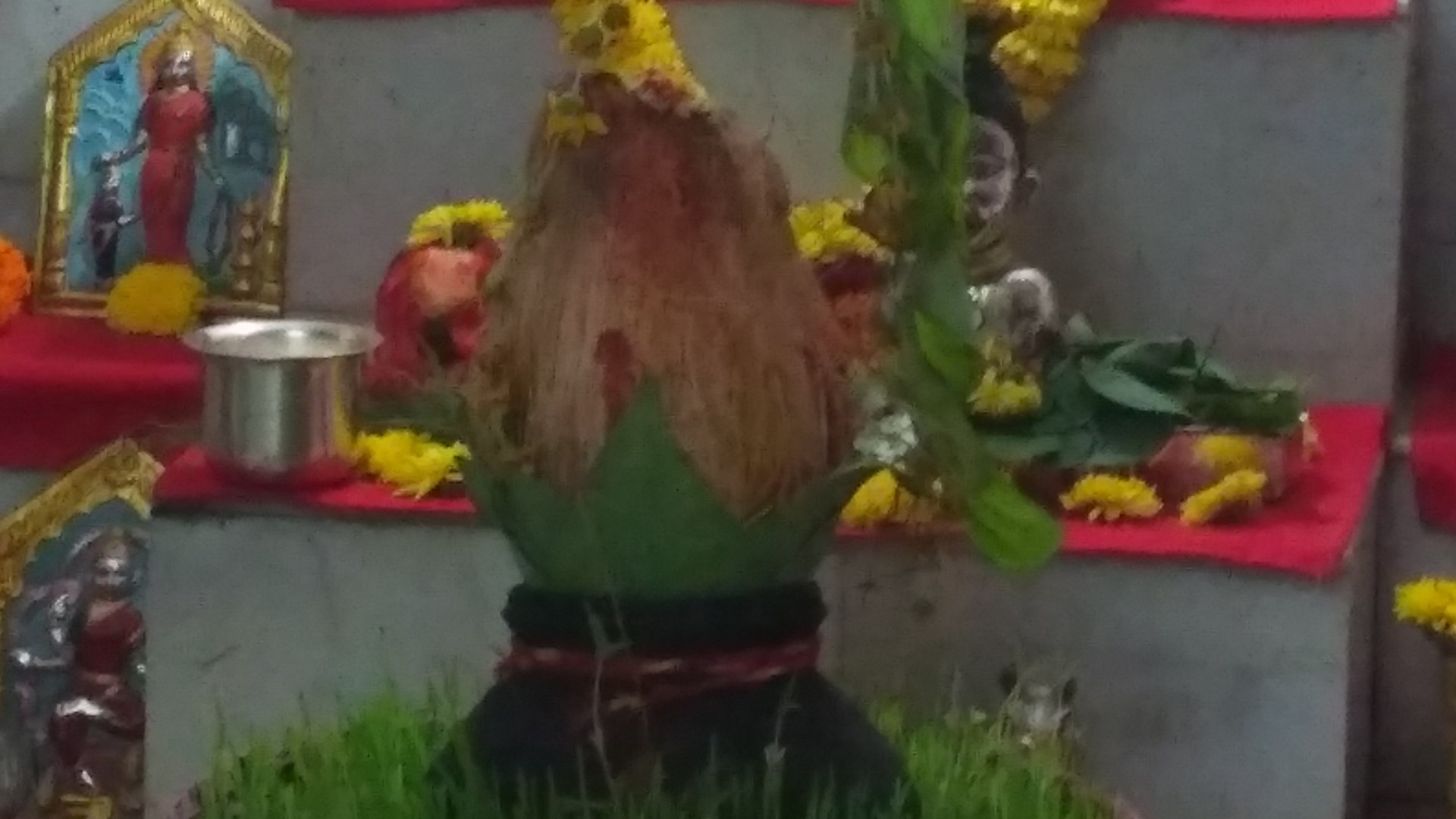
The conclusion of Shardiye Navratri often leaves devotees wondering about the proper disposal of items used in worship and rituals over the nine-day period. Questions commonly arise regarding clay pots, or kalash, that held germinating grains, the akhand jyoti or eternal lamp kept burning throughout the festival, coconuts, and other puja materials.
According to traditional household practices passed down through generations, these items carry sacred significance and should not be discarded casually. The clay pots that housed sprouting seeds are typically preserved and either kept for the next year's celebrations or returned to earth respectfully by burying them in soil or immersing them in water bodies.
The akhand jyoti, maintained as a symbol of continuous divine presence, should ideally be extinguished with intention rather than left to burn out. Traditional wisdom suggests performing a simple ritual before putting out the flame, acknowledging the completion of the festive period. Some families maintain the practice of using the same pot and lamp annually, believing this continuity strengthens their spiritual connection.
Coconuts and other offerings can be distributed among family members and neighbors or used for consumption after the fasting period concludes. The breaking of fast, known as paran, was historically undertaken with specific foods and timing, with grandmothers often guiding the household through this transition period using time-honored dietary practices. Modern families continue adapting these customs while maintaining the core principles of mindfulness and gratitude that underpin these observances.
Photo: A Navratri ghatasthapana kalash with a coconut and sprouting grains, September 2017. Ujjwala Sanjay Pawar via Wikimedia Commons (CC BY-SA 4.0).