World · India Bureau
What water should you use in inverter batteries? Expert guide
Using tap water, RO-filtered water, or standard filtered water in inverter batteries can damage performance and shorten battery life. Experts recommend distilled water to maintain optimal battery function.
LSN India ·
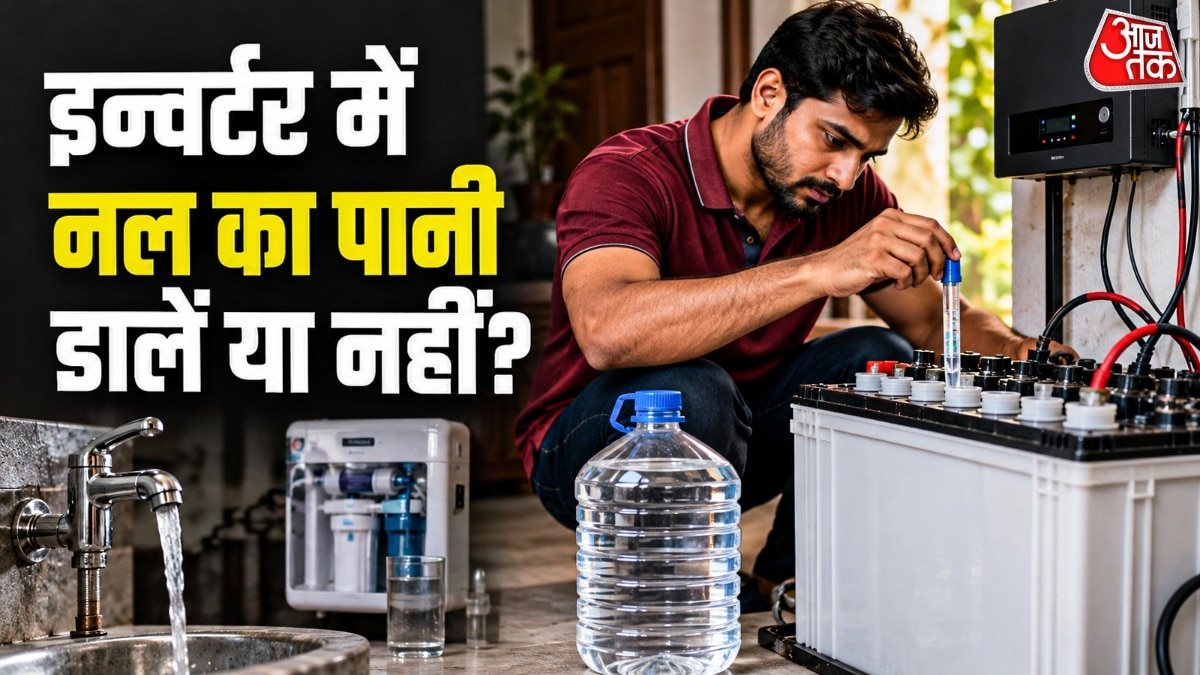
Inverter battery maintenance is critical for ensuring reliable power backup during electricity outages, yet many users overlook the importance of using the correct water type for battery top-ups. The choice between tap water, reverse osmosis (RO) filtered water, and other filtration methods can significantly impact battery performance and lifespan.
Tap water and RO-filtered water both contain dissolved minerals and impurities that can accumulate inside battery cells over time. These mineral deposits reduce battery efficiency, increase internal resistance, and accelerate corrosion of battery components. This degradation can lead to reduced backup time, poor charging performance, and ultimately, premature battery failure.
Distilled water is the recommended choice for inverter batteries as it contains no minerals or impurities. The distillation process removes all dissolved solids, making it ideal for maintaining battery chemistry and ensuring optimal electrochemical reactions within the cells. Users can prepare distilled water at home by boiling regular water and collecting the condensation, though commercial distilled water is also readily available at minimal cost.
Experts advise checking inverter battery water levels monthly and topping up only when the plates are no longer fully submerged in the electrolyte. Using distilled water consistently will extend battery life, maintain performance efficiency, and reduce maintenance costs over the device's operational span.