World · India Bureau
When an astrologer, not election officials, set India's poll dates
India's Election Commission faces intense scrutiny over recent controversies, but historical records reveal an era when election dates were determined by a prime minister's personal astrologer rather than constitutional authorities. The practice offers a revealing glimpse into the complex relationship between political power and institutional independence.
LSN India ·
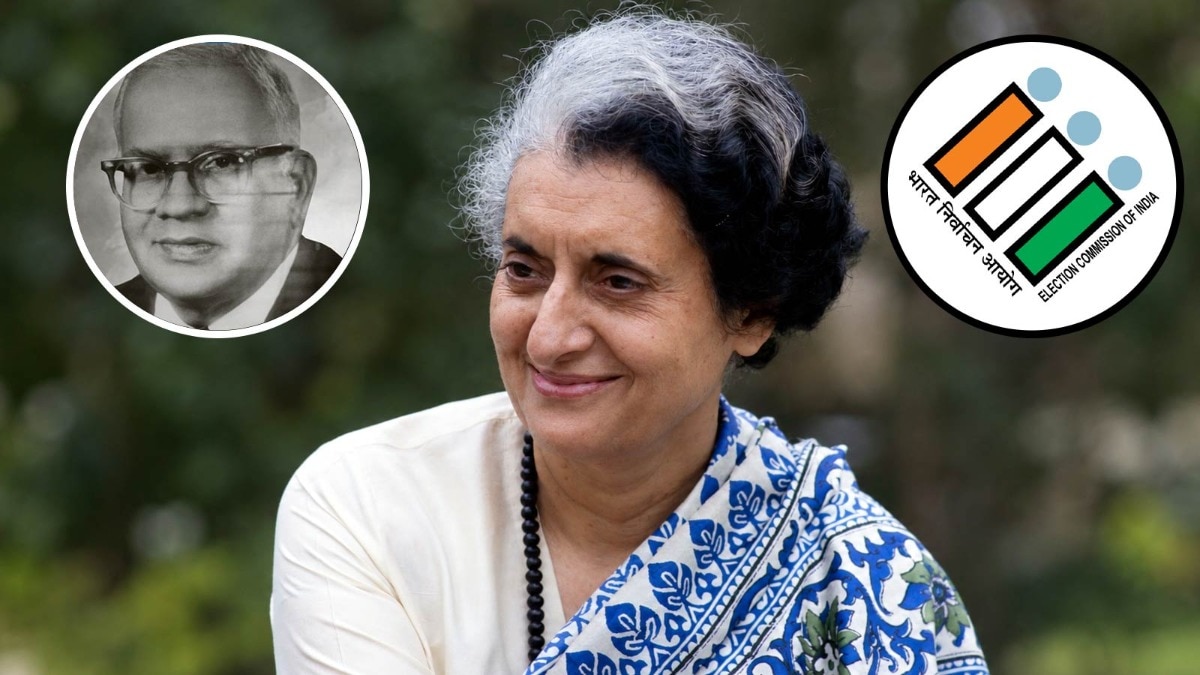
India's Election Commission has come under sustained opposition criticism following recent disclosures, but the institution's troubled history with political interference extends far deeper than current controversies suggest. Documents and accounts from India's democratic past reveal a period when the timing of national elections was influenced not by constitutional procedures but by astrological consultations sought by the prime minister.
During Indira Gandhi's tenure as Prime Minister, electoral schedules were reportedly shaped by the counsel of her personal astrologer, fundamentally undermining the Election Commission's institutional autonomy. This arrangement represented an extraordinary departure from constitutional principles, placing decisions of national electoral significance in the hands of astrological practitioners rather than election officials bound by democratic mandates.
The practice reflected a broader pattern of institutional compromise during that era. While contemporary debates focus on allegations of electoral bias and administrative pressure on the Commission, this historical precedent demonstrates how severely political patronage could compromise the independence of India's electoral machinery during earlier decades.
These historical accounts serve as a cautionary reminder of how institutional safeguards can be eroded when political leaders prioritize personal counsel over constitutional processes. The episode underscores the importance of maintaining robust separation between executive authority and electoral administration, a principle that has been progressively strengthened through legal reforms and institutional conventions in subsequent decades.