Politics · Singapore Bureau
When courts overturn sentences, what recourse does government have?
A High Court decision to reduce sentences for four young scam operatives has prompted legislative proposals, raising questions about the separation of powers and how governments can respond when they disagree with judicial rulings.
LSN Singapore ·
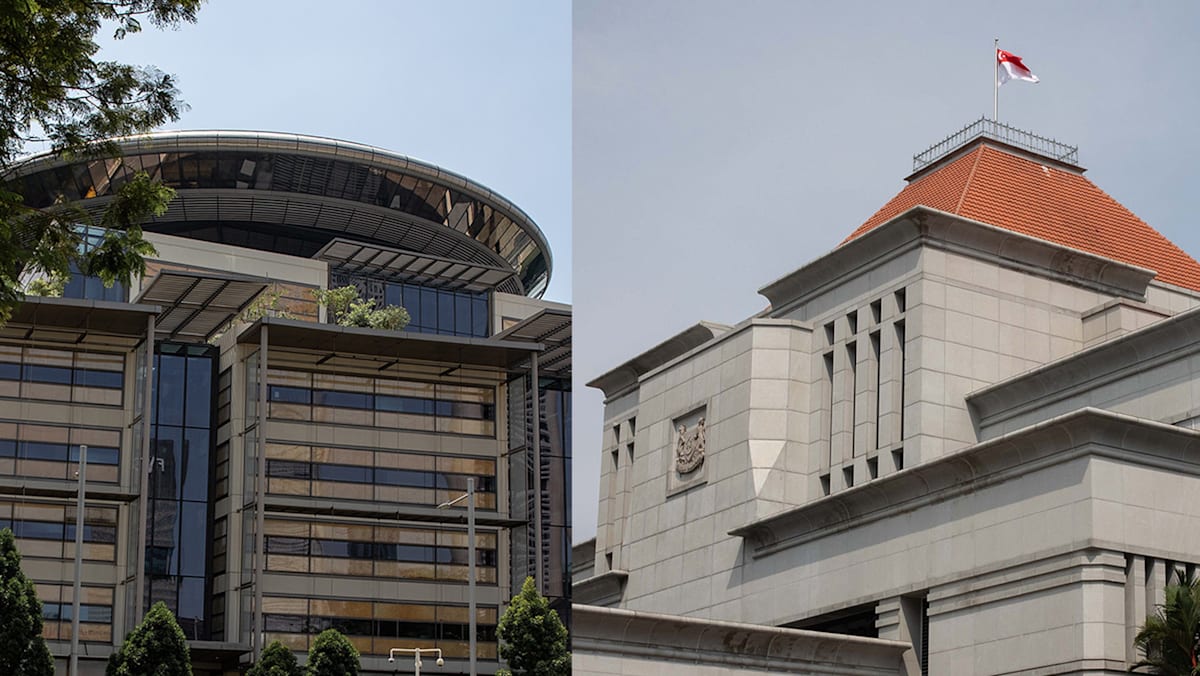
The recent High Court ruling that set aside deterrent sentences imposed on four young scam mules has reignited debate over the boundaries between the judiciary and the executive. The decision prompted the government to consider legislative amendments, highlighting a fundamental tension in Singapore's constitutional framework: what happens when the courts reject sentencing principles the government considers essential for law enforcement.
Historically, such conflicts have emerged periodically in Singapore's legal landscape. When courts have struck down sentencing approaches or statutory provisions deemed critical by policymakers, the government has typically responded through Parliament by amending legislation or clarifying legislative intent. These interventions have ranged from narrowing judicial discretion to introducing mandatory minimum sentences for specific offences, effectively constraining how judges can exercise their sentencing powers.
The constitutional system places clear limits on executive action in such disputes. The judiciary operates independently, and courts possess the constitutional authority to interpret laws and assess their constitutionality. The government cannot simply override judicial decisions through administrative decree. Instead, remedies must come through Parliament, where legislation can be amended or clarified to align with executive policy objectives, though courts retain the power to interpret new laws according to constitutional principles.
Lawmakers face a delicate balance when considering such amendments. While Parliament holds the power to modify sentencing frameworks and legislative provisions, proposals must withstand constitutional scrutiny and public debate. The outcome often reflects broader questions about crime deterrence, judicial independence, and whether sentencing principles serve their intended purpose in the criminal justice system.