Politics · World News Bureau
White House pressure unlikely to shift Israel's hardline stance on conflicts
U.S. diplomatic efforts face structural obstacles as Israel's prime minister calculates that any negotiated settlement could prove politically damaging domestically. Domestic political considerations appear to outweigh international pressure for resolution of multiple ongoing disputes.
LSN World News ·
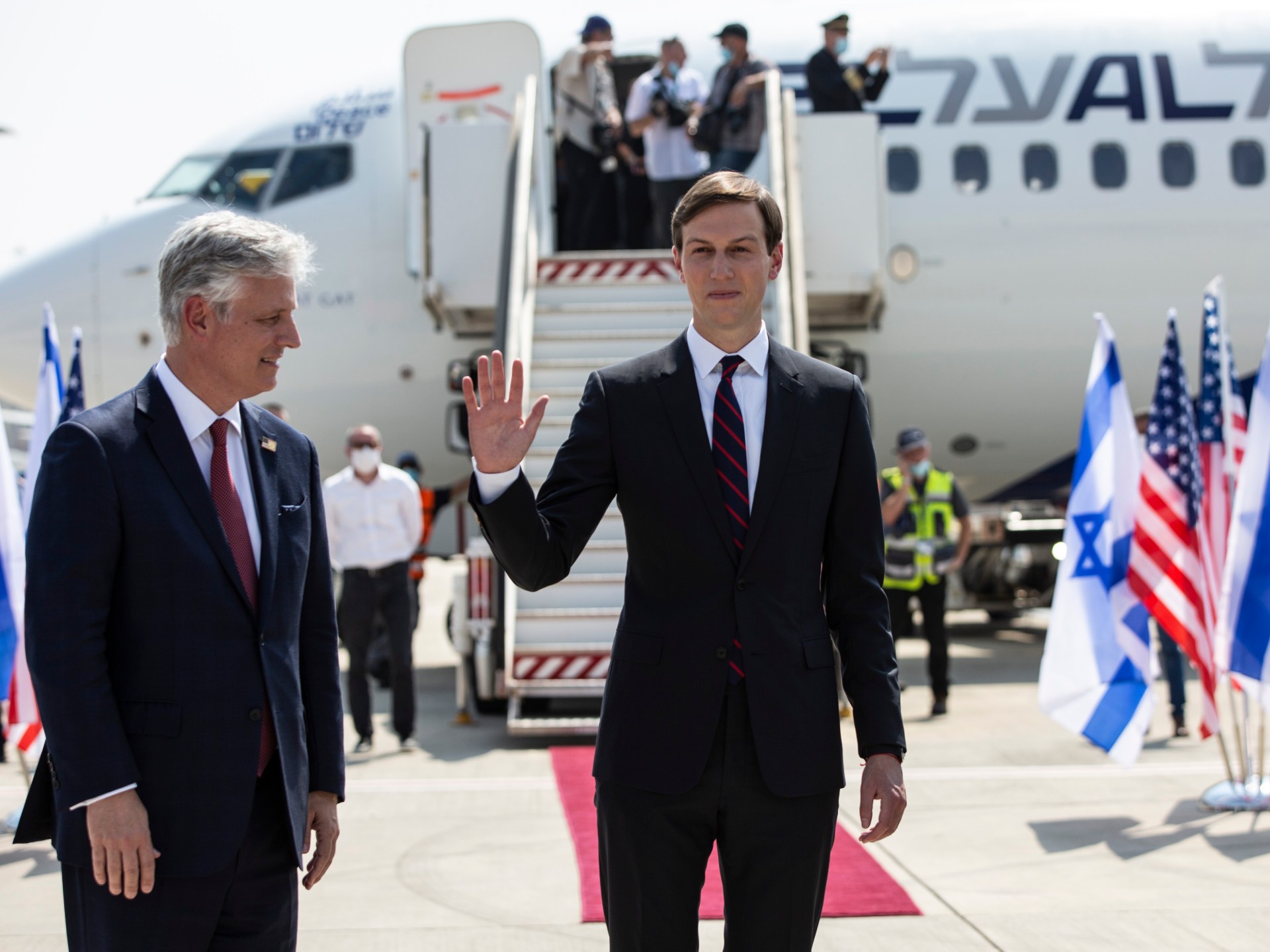
American diplomatic envoys continue engaging with Israeli leadership on various conflict resolution proposals, yet analysts suggest fundamental political constraints limit the likelihood of breakthrough agreements. Israel's prime minister faces domestic political calculations where accepting compromise settlements risks alienating his political base and potentially threatening his coalition government's stability.
The Israeli leader's political survival depends partly on maintaining a hardline posture on security matters, making negotiated endings to any major conflict fraught with domestic political peril. Accepting terms that could be characterized as concessions would invite fierce criticism from coalition partners and opposition figures, potentially destabilizing the government.
This dynamic creates an asymmetry in negotiations, where external pressure from Washington—despite significant strategic importance and military aid relationships—cannot overcome internal political imperatives. The structural nature of Israeli domestic politics means that American leverage, while considerable, may prove insufficient to drive substantive policy shifts on core security issues.
Diplomats must navigate an environment where the political costs of agreement may appear higher to Israeli decision-makers than the costs of continued conflict or stalled negotiations. This calculus has historically complicated peace efforts across multiple disputes in the region.