World · India Bureau
Why Are Cardboard Boxes Almost Always Brown? Here's the Answer
From e-commerce deliveries to warehouse storage, brown cardboard boxes dominate the packaging landscape across India and globally. The ubiquity of this humble hue is rooted in practical economics and environmental considerations.
LSN India ·
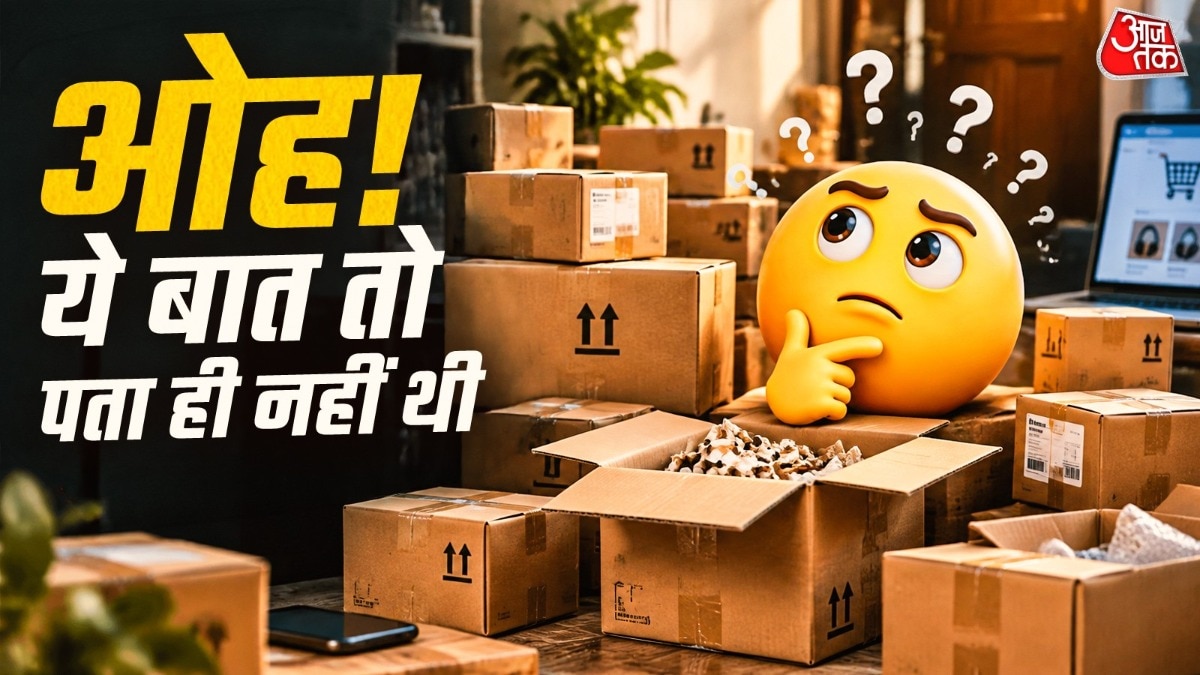
The prevalence of brown cardboard boxes in logistics and retail operations stems from several interconnected factors centred on kraft paper, the primary material used in their manufacture. Kraft paper, derived from wood pulp, naturally possesses a brown colour that requires no additional bleaching or dyeing, making it the most economical choice for large-scale box production.
Beyond cost considerations, the brown colour itself signals durability and strength. Kraft paper's natural composition provides superior structural integrity compared to fully bleached alternatives, allowing boxes to withstand the rigours of handling, stacking, and transportation without compromising their contents. This inherent robustness reduces damage rates and minimises costly returns for businesses across the supply chain.
The economics of scale further reinforce the dominance of brown boxes. Mass production of standardised brown packaging drives down per-unit costs significantly, a critical advantage in industries where margins are thin and efficiency paramount. Retailers and logistics providers can pass these savings to consumers, creating competitive advantages in an increasingly price-sensitive market.
Environmental sustainability has emerged as an additional driver of brown box prevalence. The unbleached kraft paper used in these boxes is readily recyclable and biodegradable, aligning with growing consumer preference for eco-conscious packaging. This alignment with circular economy principles has transformed what was once purely an economic choice into an environmentally responsible one, strengthening brown's position as the industry standard across South Asia and beyond.