World · India Bureau
Why brothers shield their heads during Bhai Dooj tilak ritual
During the Bhai Dooj festival, sisters traditionally apply tilak to their brothers' foreheads to bless them with longevity and prosperity. But few know why brothers cover their heads or sisters place cloth during this sacred marking.
LSN India ·
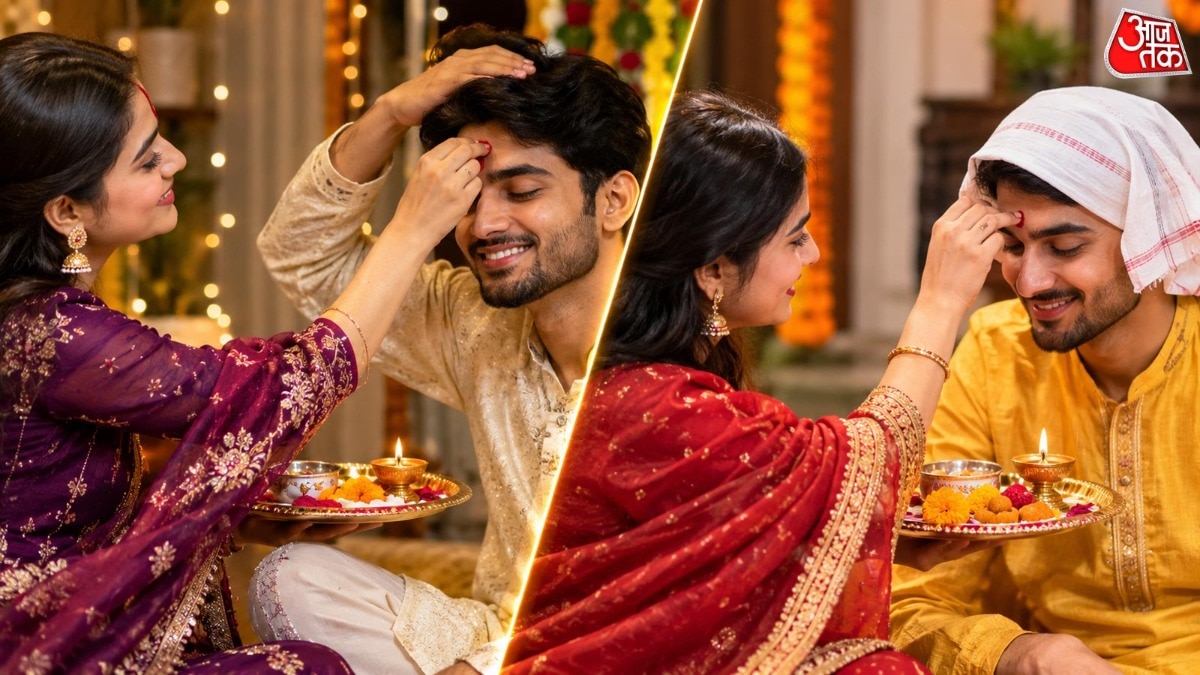
Bhai Dooj, celebrated across India as a festival honoring the bond between siblings, involves sisters applying tilak to their brothers' foreheads while offering prayers for their wellbeing and long life. Yet an often-overlooked aspect of this ritual is the practice of covering the brother's head with cloth or placing a hand over it just before the tilak is applied.
This custom has roots in ancient Hindu traditions and spiritual practices. The head is considered the most sacred part of the human body in Hindu philosophy, believed to house the seat of consciousness and divine energy. By covering or shielding the head during the tilak application, families acknowledge and protect this spiritual sanctity.
Another interpretation relates to the concept of humility and respect. Covering one's head is traditionally associated with reverence in Indian culture. By having the brother lower or shield his head during the blessing, the ritual emphasizes the sacred nature of the moment and the brother's receptiveness to his sister's blessings and prayers.
The practice also serves a practical purpose. Tilak application requires precision, and keeping the head still and slightly bowed helps the sister apply the mark accurately on the forehead. The protective covering prevents any accidental smudging of the tilak or disturbance during the application.
These layered meanings—spiritual protection, cultural humility, and practical consideration—combine to make the head-covering gesture an integral part of the Bhai Dooj ritual, deepening the ceremonial significance of this festival celebrated by millions across South Asia.