World · India Bureau
Why construction workers soak bricks in water before laying walls
Pre-soaking bricks in water is a critical step in masonry work that significantly improves wall durability and structural integrity. Understanding this simple practice reveals important principles of construction quality that have been used for generations across the subcontinent.
LSN India ·
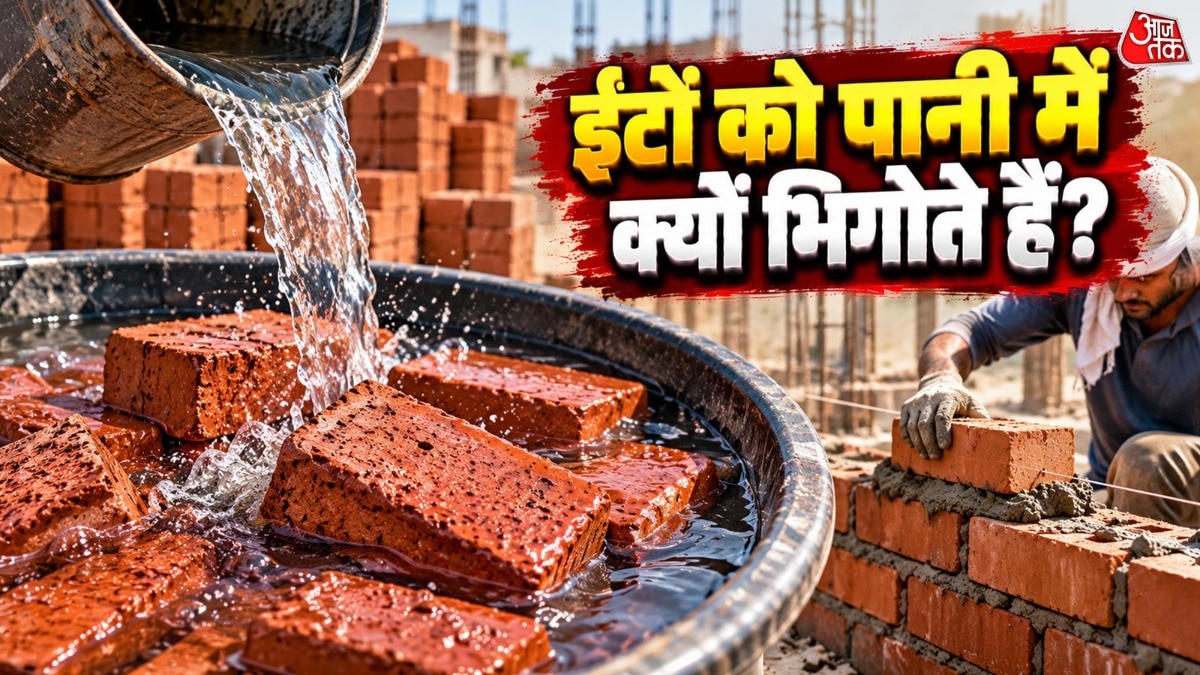
Before bricks are laid during wall construction, they are typically immersed in water for a specific period. This practice, while seemingly straightforward, serves several essential purposes that directly impact the longevity and strength of the finished structure.
Dry bricks possess a high moisture absorption capacity due to their porous composition. When dry bricks are laid directly into mortar without pre-soaking, they rapidly absorb water from the fresh mortar binding them together. This rapid moisture loss weakens the mortar before it has time to properly cure and set, compromising the adhesive bond between bricks and reducing overall wall strength.
When bricks are soaked in water prior to placement, they absorb moisture and become saturated. This saturation reduces their capacity to draw additional water from the mortar, allowing the binding agent adequate time to cure properly. The result is a stronger, more durable bond that holds the bricks securely in place and creates walls capable of bearing greater loads.
Additionally, pre-soaked bricks help ensure uniform moisture distribution throughout the masonry. This uniform hydration prevents differential expansion and contraction of individual bricks, which can lead to cracks and structural weaknesses. Proper brick soaking also reduces the likelihood of efflorescence—the white salt deposits that sometimes appear on finished walls—as the initial water absorption helps control mineral migration.
This time-tested construction technique remains standard practice among skilled masons across India and South Asia, reflecting generations of accumulated knowledge about building durable structures that withstand weathering and load stresses over decades.