World · India Bureau
Why Do Indians Take Ravana Ashes Home After Dussehra Effigies Burn?
A widespread folk tradition sees people collecting ashes from burnt Ravana effigies during Dussehra celebrations across India. Believers claim the practice offers spiritual protection against negative energy when placed at home entrances.
LSN India ·
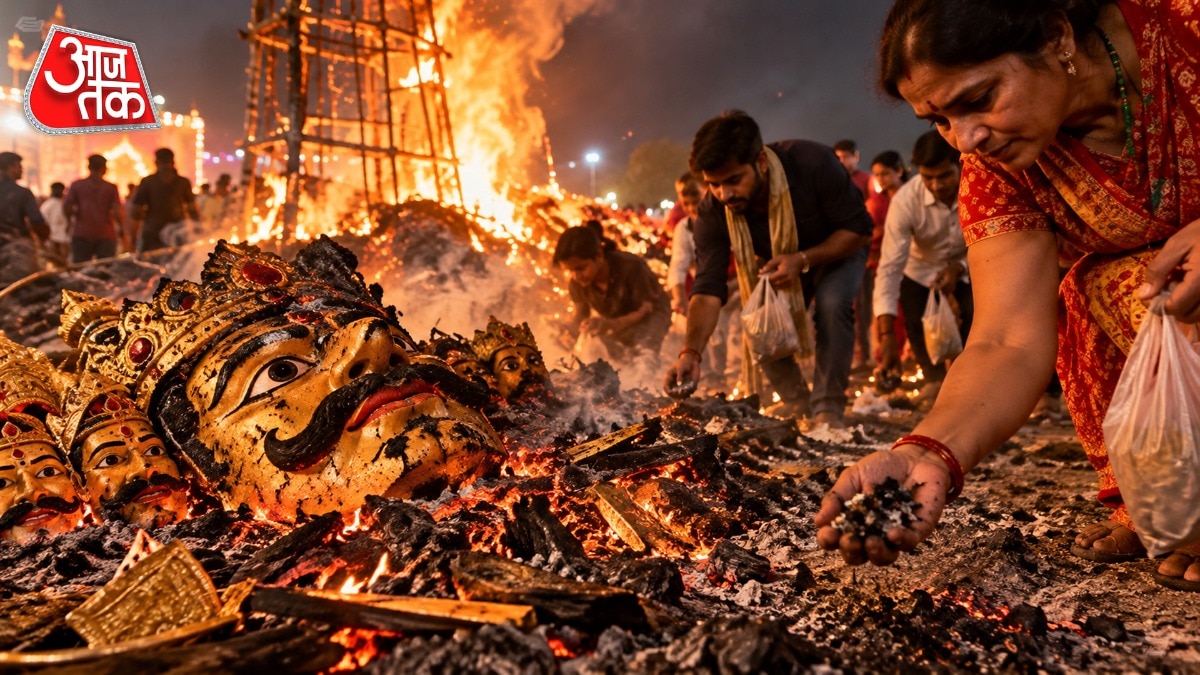
Following the ritual burning of Ravana effigies on Dussehra, a common sight across Indian cities and villages is devotees collecting the ashes and carrying them home. This practice, deeply rooted in regional folklore and Hindu customs, reflects beliefs about spiritual cleansing and protection that have persisted for generations.
According to popular folk traditions, the ashes from Ravana's effigy are believed to possess protective properties. Many households place these ashes on their doorframes or thresholds, adhering to the belief that doing so prevents negative energy from entering the home. The practice stems from the symbolic victory of good over evil that Dussehra commemorates, with Ravana representing the embodiment of negativity and moral wrongdoing.
These customs vary significantly across different regions of India, with local interpretations influencing how the ashes are collected and used. While some communities view the practice as spiritually auspicious, others treat it as a cultural tradition passed down through families without necessarily attributing specific supernatural significance to it.
Scholars of Hindu customs note that such practices form part of India's rich tapestry of folk beliefs, reflecting how communities integrate mythological narratives into everyday protective rituals. Whether considered purely spiritual or cultural in nature, the tradition continues to be observed during Dussehra celebrations as families seek blessings and protection for their households.