World · India Bureau
Why eldest son performs funeral rites in Hindu tradition
Hindu funeral customs assign the eldest son a crucial role in the final rites. Religious texts explain the spiritual significance behind this longstanding practice.
LSN India ·
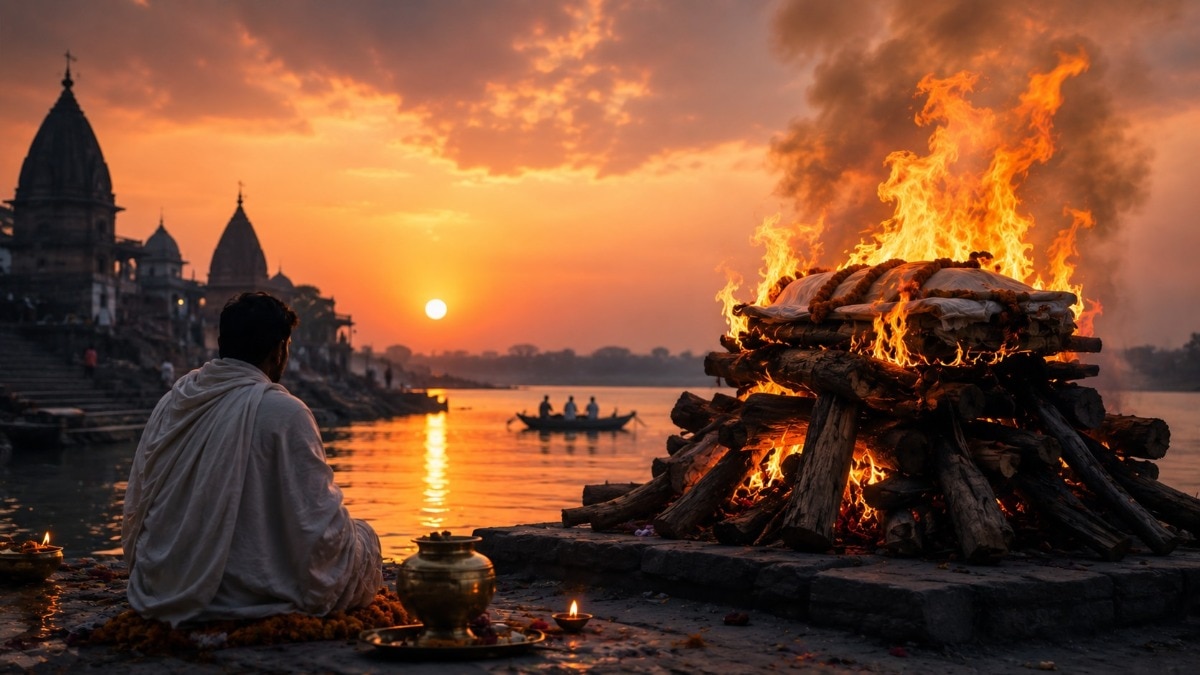
In Hindu tradition, the eldest son holds a central position in performing the last rites of his father, a practice rooted in ancient religious texts and spiritual beliefs. According to the Garuda Puran, one of Hinduism's sacred scriptures, the final rites or 'Antyeshti' constitute the sixteenth and most significant of the 16 life-cycle rituals observed in the faith.
The eldest son's responsibility to perform 'Mukhagni' or lighting the funeral pyre is believed to carry profound spiritual meaning. Religious scholars explain that when funeral rites are conducted according to prescribed rituals, the departed soul is granted peace and spiritual progress in its onward journey. The eldest son is traditionally considered the primary heir and custodian of family traditions, making him the appropriate person to shoulder this solemn duty.
This practice reflects the broader Hindu understanding of karma and the soul's transition after death. The proper performance of funeral ceremonies, particularly when undertaken by the eldest son, is believed to ensure that the departed soul achieves 'Moksha' or liberation. The ritual also symbolizes the continuity of family lineage and the transfer of responsibilities from one generation to the next.
While modern interpretations of these customs have become more flexible, the fundamental principle remains rooted in Hindu philosophy: the eldest son's role in the final rites represents both a mark of respect to the deceased and a spiritual obligation to facilitate the soul's peaceful transition.