World · India Bureau
Why Glass Comes in Multiple Colours Despite Common Origin
From window panes to beverage bottles and building facades, glass appears in a spectrum of hues across India's urban and domestic landscape. The variation in colour stems from specific additives and processes used during manufacture, despite all glass beginning from the same base material.
LSN India ·
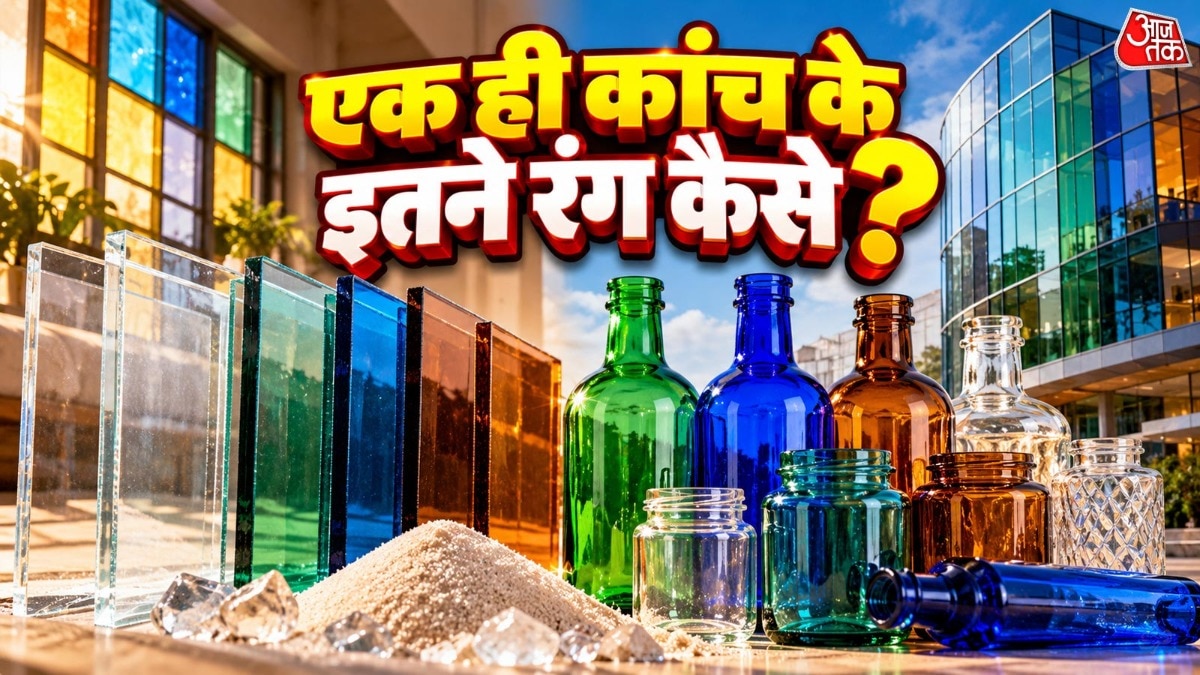
Glass is manufactured from silica sand, the primary raw material that forms the foundation of all glass products. Yet the transparent panes in household windows, the green-tinted bottles lining store shelves, and the blue or brown-hued containers used for pharmaceuticals and beverages all originate from this same elemental source.
The colour variation in glass results from metallic oxide additives introduced during the manufacturing process. When iron oxide is present in the raw materials or intentionally added, it produces green or brown-coloured glass. Cobalt oxide creates the distinctive blue tint seen in certain bottles and decorative glassware. Pure silica sand, when processed without significant iron content and cooled properly, yields the clear, colourless glass typically used in windows and laboratory equipment.
Manufacturers select specific additives based on the intended application and aesthetic requirements of the final product. The concentration and type of metallic oxides determine the final hue and light transmission properties. Different industrial processes and firing temperatures can also influence the colour intensity.
From architectural applications to consumer packaging, glass manufacturers across India and globally leverage this principle to produce glass tailored to specific functional and visual needs. Understanding these chemical additions explains why the everyday glass products surrounding us display such remarkable variety in appearance.