World · India Bureau
Why Hindu Women View Moon Through Sieve During Karwa Chauth Fast
During Karwa Chauth, a significant Hindu festival observed primarily by married women in India, the moon sighting ritual follows a specific practice: viewing the lunar body through a sieve rather than with the naked eye. This tradition carries deep religious and cultural significance rooted in ancient beliefs.
LSN India ·
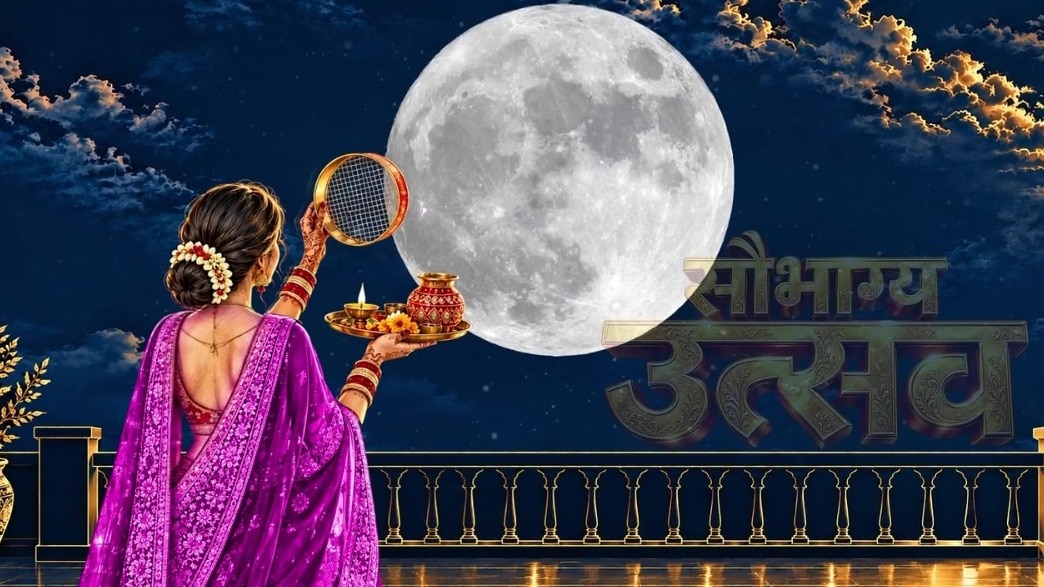
Karwa Chauth, celebrated on the fourth day after the full moon in the Hindu month of Kartik, centers on a day-long fast undertaken by married women for the longevity and prosperity of their husbands. The festival culminates with moon sighting, considered essential to complete the religious observance. However, the manner in which devotees view the moon reflects centuries-old spiritual customs.
According to Hindu tradition, the moon is revered as a celestial body symbolizing age, happiness, and peace. Yet paradoxically, direct viewing of the moon during Karwa Chauth is considered ritually prohibited. This apparent contradiction has led to the widespread practice of observing the moon through a sieve or fine cloth, a method that remains standard across many regions of India where the festival is celebrated.
Various explanations exist within Hindu scriptures and folklore for this practice. Some scholars suggest the sieve acts as a filtering medium believed to neutralize any potential negative planetary influences, while others interpret it as a means of focusing spiritual energy during the moon sighting ritual. The practice underscores the festival's emphasis on prescribed procedures and adherence to traditional guidelines.
The Karwa Chauth ritual, though rooted in ancient customs, continues to evolve while maintaining its core traditions. The sieve-viewing practice remains widely observed, particularly in North India, demonstrating how cultural and religious practices persist through generations.