World · India Bureau
Why Indian Railways Carries Sand-Filled Containers on Empty Train Cars
Passengers on Indian trains often notice containers, sacks, and drums filled with soil or sand in compartments and empty coaches. These items serve specific operational and maintenance purposes for the railway system.
LSN India ·
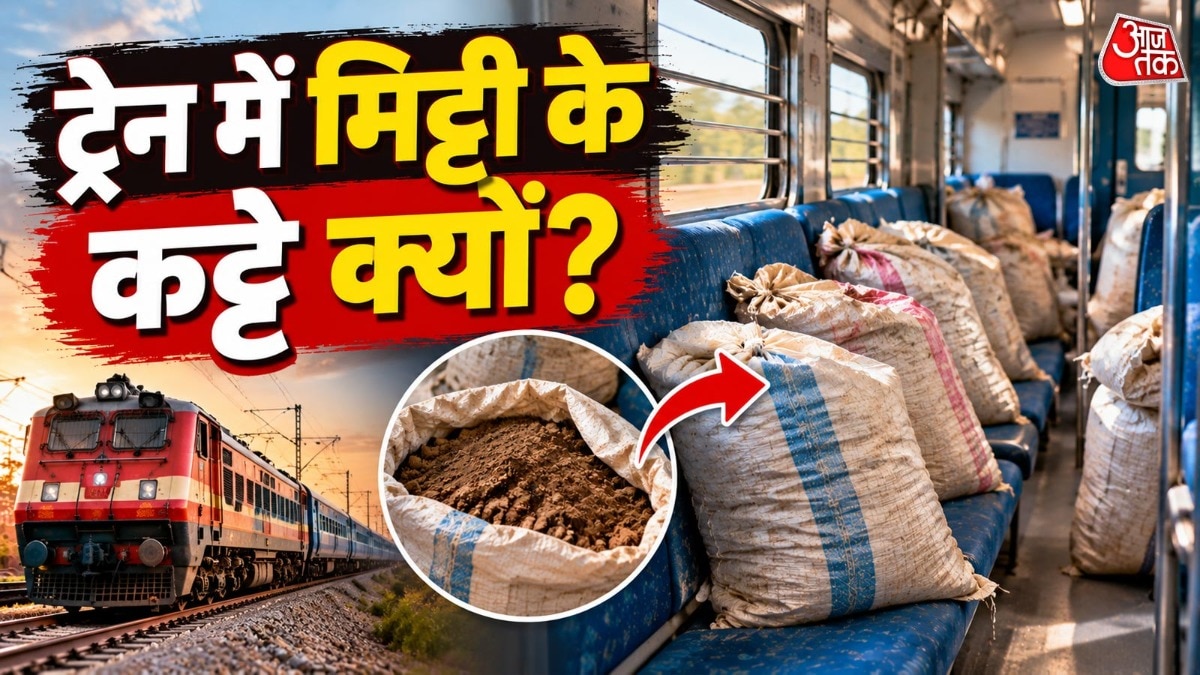
Indian Railways frequently transports soil-filled containers, burlap sacks, and metal drums on passenger trains, a practice that puzzles many commuters. While these items may appear to occupy valuable passenger space, they serve several critical functions in railway operations.
One primary reason for carrying such materials is ballast testing and track maintenance. Railways use these weighted containers during quality assurance procedures to simulate passenger loads and test the structural integrity of coaches, bogies, and track sections. This allows engineers to assess how trains perform under varying weight conditions before putting them into regular service.
Additionally, the materials serve as counterweight to balance trains during their journeys. When coaches are empty or partially occupied, the extra weight helps maintain proper weight distribution across axles and bogies, ensuring safe operation and reducing wear on wheels and tracks. This practice extends the operational lifespan of rolling stock while maintaining safety standards.
Railway departments also utilize these transport opportunities for maintenance-related logistics. Soil and sand are essential materials for track bed maintenance, level crossings, and embankment work at various stations and sections. By loading these materials onto trains already scheduled for operation, Indian Railways optimizes resources and reduces separate transportation costs.
The practice demonstrates how Indian Railways maximizes operational efficiency by multi-tasking available train capacity for both passenger service and essential maintenance functions.