World · India Bureau
Why is cashew fudge cut into diamonds, not squares?
The distinctive diamond shape of cashew fudge, or kaju katli, is more than mere aesthetics. The traditional cutting style reflects centuries of confectionery practice across India.
LSN India ·
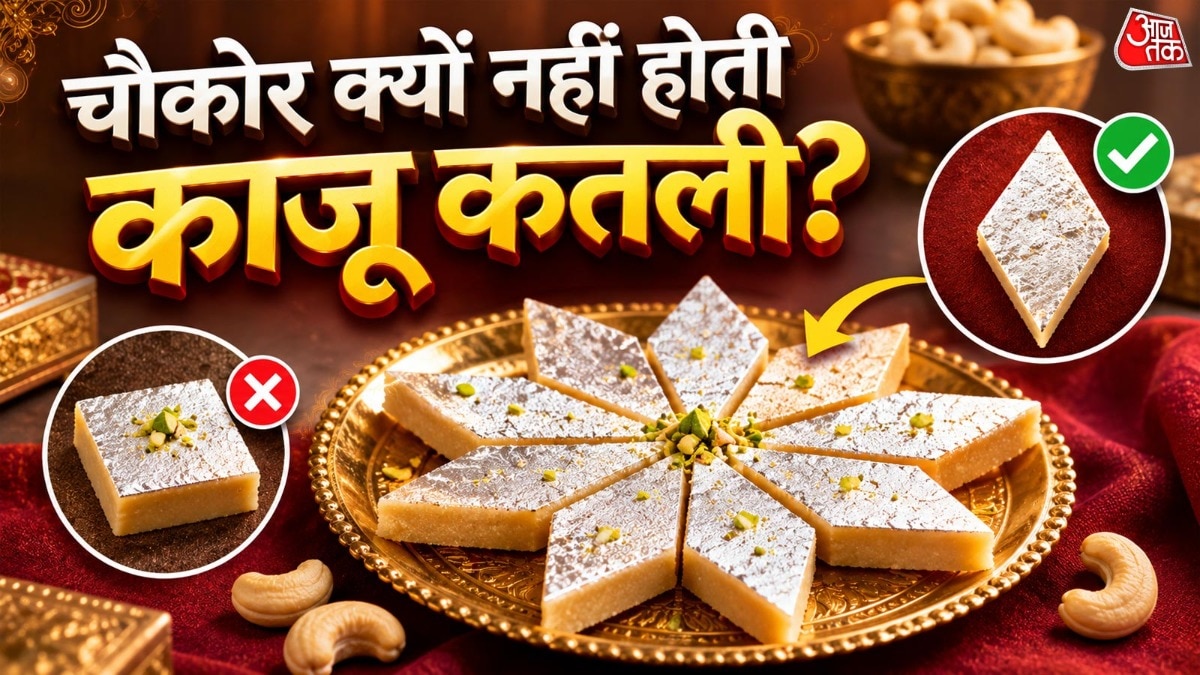
Cashew fudge, known as kaju katli, stands apart from other Indian sweets in both appearance and presentation. Unlike the square or rectangular cuts common to barfi and other traditional confections, kaju katli is characteristically sliced into diamond or rhombus shapes. This distinctive geometry raises questions about whether the practice stems from practical manufacturing considerations or deep-rooted culinary tradition.
Confectionery experts suggest the diamond shape serves multiple purposes beyond visual appeal. The angled cuts are said to facilitate even cooking and setting during the preparation process, as the geometry allows heat to distribute uniformly across the sweet's surface. Additionally, the diamond configuration creates a higher surface-area-to-volume ratio, enabling the fudge's signature smooth, melt-in-mouth texture to be more pronounced during consumption.
The cutting technique also reflects practical concerns from traditional sweet-making. The diamond shape was historically easier to portion and portion uniformly when cutting large batches of the dense cashew preparation by hand. The angled cuts required fewer knife strokes compared to square patterns, and the resulting pieces were more compact for storage and transport, a significant consideration in pre-modern India's confectionery trade.
While culinary historians debate whether the shape originated from functional necessity or aesthetic preference, the tradition has persisted for generations. Today, the diamond cut remains so integral to kaju katli's identity that consumers readily identify it by this signature shape. The practice exemplifies how food traditions often emerge from the convergence of practical innovation and cultural refinement, becoming markers of authenticity that outlast their original purposes.