World · India Bureau
Why Karva Chauth Fast Remains Traditionally a Women's Observance
The centuries-old practice of married women fasting during Karva Chauth has prompted ongoing debate about gender roles in Hindu rituals. Religious scholars explain the historical and spiritual reasoning behind this gendered tradition.
LSN India ·
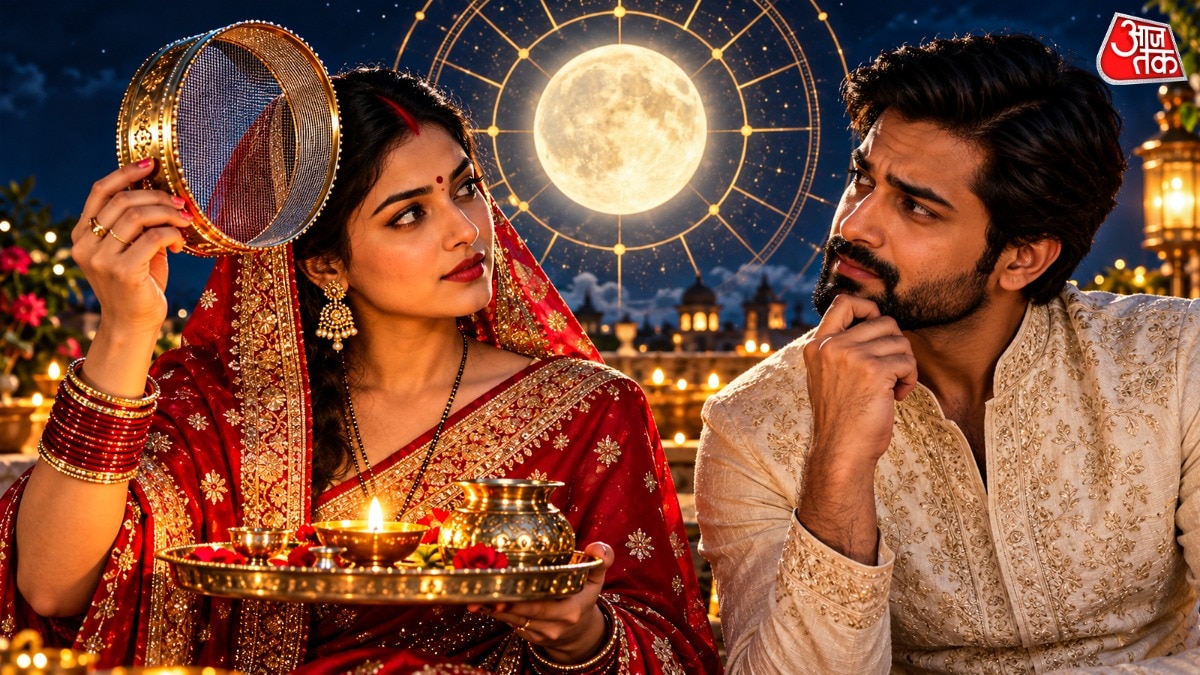
Karva Chauth, observed primarily by married women across India, continues to spark discussion about why men do not traditionally participate in the day-long fast. The practice, which has been maintained for centuries, sees women abstaining from food and water until moonrise, purportedly for the longevity and well-being of their husbands.
According to noted astrologer Acharya Raj Mishra, the tradition is rooted in specific Hindu philosophical and ritualistic frameworks. Mishra explains that Karva Chauth is structured around the concept of a wife's devotion and her role as a life-giver within the household structure, concepts that have defined the ritual's gender-specific nature historically.
The fast is believed to be observed by women for their husbands' health and prosperity, while the reciprocal responsibility of men is considered to be fulfilled through other rituals and duties within the marital relationship. Religious scholars contend that different rituals assign different responsibilities to men and women based on traditional interpretations of dharma, or duty.
However, modern interpretations of Karva Chauth have seen some evolution, with increasing numbers of couples choosing to observe the fast jointly or with modified practices. This shift reflects contemporary discussions about gender equality and the reinterpretation of traditional customs to suit modern relationships while maintaining cultural significance.