World · India Bureau
Why Lakshmi and Ganesha worship together marks Diwali tradition
The practice of worshipping Lord Ganesha alongside Goddess Lakshmi during Diwali has deep religious and cultural roots spanning centuries. Understanding the significance of this dual observance offers insight into Hindu festival customs and their spiritual meaning.
LSN India ·
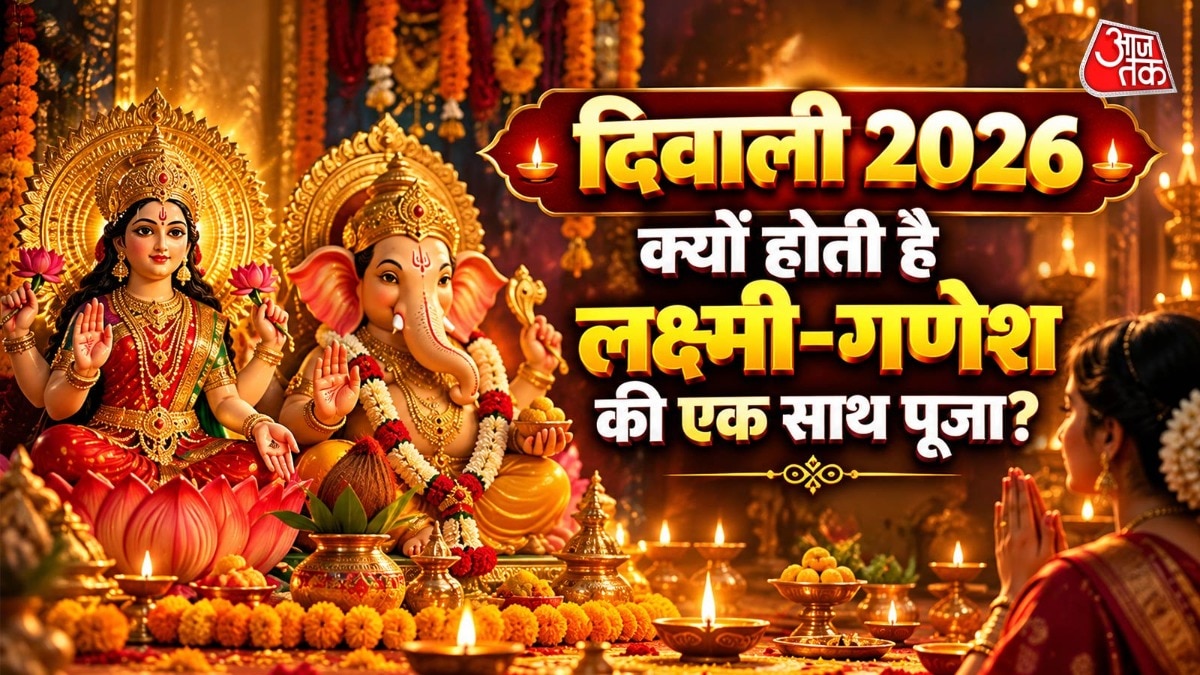
The tradition of performing simultaneous worship of Goddess Lakshmi and Lord Ganesha during Diwali celebrations remains one of the most observed rituals across India. This centuries-old practice is rooted in Hindu philosophy and mythology, reflecting the interconnected nature of prosperity, auspiciousness, and spiritual well-being.
According to Hindu religious texts and traditions, Lord Ganesha, the remover of obstacles, is invoked first before any auspicious ritual or worship. His blessings are believed to ensure smooth conduct of religious ceremonies and remove impediments to success. When combined with Lakshmi worship—focused on wealth, fortune, and abundance—the dual invocation creates a complete spiritual framework for prosperity and well-being.
The simultaneous worship of both deities during Diwali symbolizes the belief that material prosperity achieved through Lakshmi's grace must be accompanied by wisdom, discernment, and obstacle-free progress granted by Ganesha. This combination ensures not only financial gain but also the prudent use of resources and removal of challenges that may hinder sustained prosperity.
Many households and temples follow this integrated worship pattern as a core element of their Diwali celebrations, viewing the ritual as essential for inviting comprehensive blessings into their homes and lives. The practice underscores the Hindu philosophy that true wealth encompasses both material abundance and spiritual growth, both of which are essential for a fulfilling life.