World · India Bureau
Why LED bulbs continue glowing after switching off lights
Many Indian households notice LED bulbs emitting a faint glow even after the switch is turned off. The phenomenon results from a combination of wiring configuration, indicator lights in switches, and residual electrical charge within the bulb itself.
LSN India ·
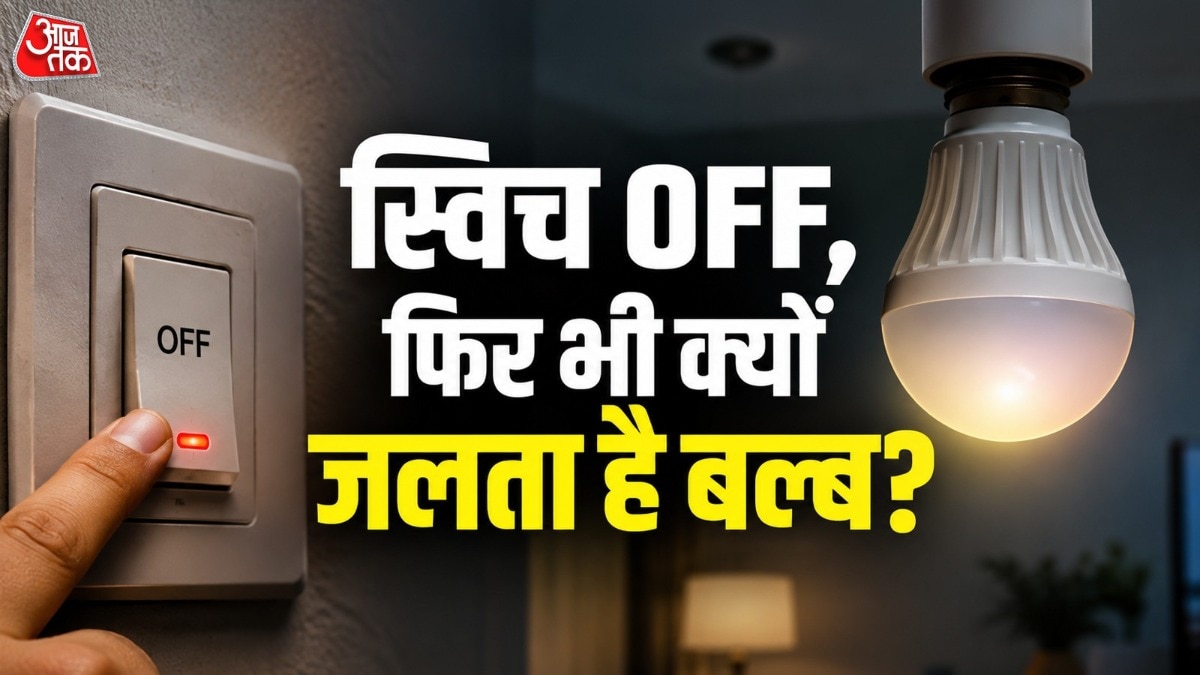
LED bulbs that continue to emit a dim light after being switched off is a common occurrence in modern homes across India, puzzling many users about the cause and potential implications for their electrical systems.
The primary reason for this persistent glow lies in how electrical wiring is configured in most residential installations. When a switch is turned off, it typically breaks one wire in the circuit, but the other wire may still carry a small electrical potential. This residual voltage, though insufficient to fully illuminate traditional incandescent bulbs, is enough to trigger the more sensitive LED technology, resulting in a faint luminescence.
Another significant factor is the presence of indicator lights within modern switches themselves. Many contemporary switch designs include small LED indicators that remain illuminated to help users locate the switch in darkness. These indicator lights create a secondary current path through the main bulb circuit, allowing minimal electricity to flow and causing the LED bulb to glow dimly even when the main switch position indicates off.
Additionally, LED bulbs contain internal electronic components and capacitors that can store electrical charge. When power is interrupted, these components may retain residual energy that sustains a weak glow for a brief period. This charging and discharging mechanism is a natural characteristic of LED technology and is generally harmless to the bulb's longevity.
Electricians recommend that homeowners concerned about this phenomenon can request their wiring to be configured differently or install suppressor capacitors to eliminate the residual voltage. However, the faint glow typically poses no safety risk and represents normal behavior in modern LED lighting systems.