World · India Bureau
Why Microwave Oven Doors Have Those Distinctive Dotted Patterns
The glass door on microwave ovens is not entirely transparent, featuring a pattern of small dots that serve a critical safety function rather than merely aesthetic purposes.
LSN India ·
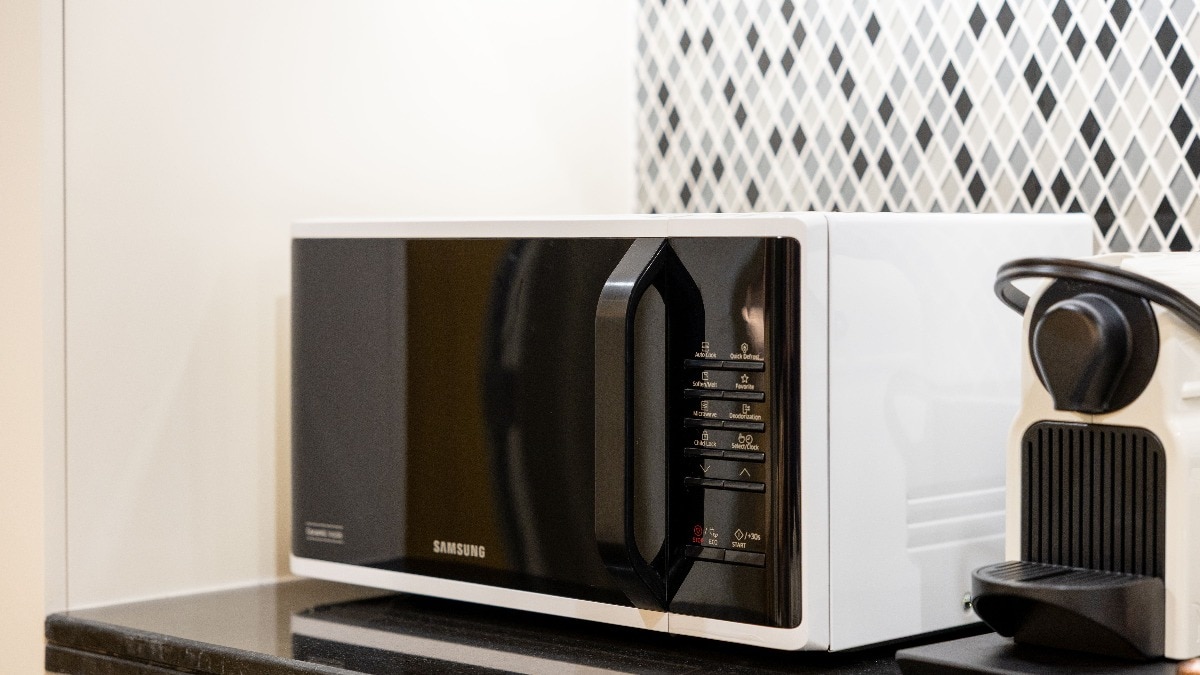
Microwave oven doors appear opaque due to a deliberate pattern of small metallic dots or mesh embedded in the glass. Many consumers assume these dots are decorative elements or part of the glass design, but they serve an important protective function.
The dotted pattern acts as a safety barrier, preventing microwave radiation from escaping directly through the door glass. The metal mesh or coating allows visible light to pass through so users can see inside the oven, while simultaneously blocking the electromagnetic radiation generated during operation. This design ensures that microwave energy remains contained within the cooking chamber.
The specific size and spacing of these dots is carefully engineered. The pattern is designed so that the wavelength of microwave radiation cannot pass through the gaps between the dots, effectively creating an invisible shield. Meanwhile, the visible light spectrum has shorter wavelengths that can pass through, maintaining visibility of food inside the oven.
This safety feature is mandated by regulatory standards in most countries to protect users from potential microwave radiation exposure. The design represents a balance between practical functionality—allowing users to monitor their food—and essential safety requirements that govern kitchen appliance manufacturing.
Understanding the purpose of these dots highlights how modern appliances integrate multiple engineering considerations into everyday products, combining visibility, safety, and practicality into a single component.