World · India Bureau
Why Mustard Oil Lamps Hold Special Significance in Ganesha Worship During Diwali
As India prepares to celebrate Diwali on November 8, devotees observe unique rituals in worshipping Lord Ganesha and Goddess Lakshmi. Among these customs, lighting mustard oil diyas before Ganesha holds particular spiritual importance in Hindu tradition.
LSN India ·
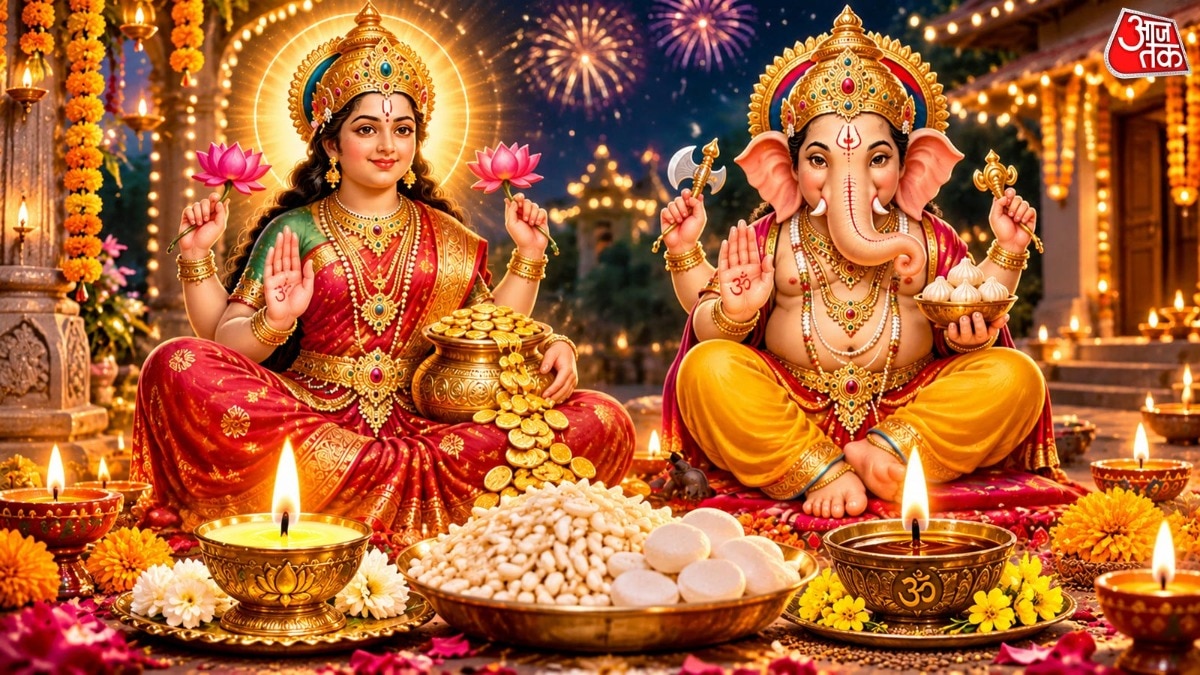
Diwali, the festival of lights, is marked by the combined worship of Lord Ganesha and Goddess Lakshmi in Hindu households across India. The celebration involves specific rituals and offerings that have been passed down through generations, each carrying deep symbolic meaning rooted in ancient spiritual practices.
The lighting of mustard oil lamps before Lord Ganesha is one such ritual that holds special significance during Diwali festivities. While devotees offer various food items including popcorn and other traditional sweets to the deity, the mustard oil diya occupies a distinctive place in the worship ceremony. The choice of mustard oil, in particular, is believed to carry spiritual properties that are considered auspicious for invoking the blessings of the remover of obstacles.
According to Hindu traditions, mustard oil has long been associated with purity and divine energy in worship practices. The flame of a mustard oil lamp is thought to illuminate not just the physical space but also the spiritual realm, creating an atmosphere conducive to prayer and meditation. The combination of Lord Ganesha's worship with such traditional elements reflects the intricate connection between material offerings and spiritual intention in Hindu ceremonial practices.
These age-old customs continue to guide millions of Indians in their Diwali celebrations, maintaining the essence of the festival while connecting contemporary devotees with their cultural heritage and religious traditions.