World · India Bureau
Why Navratri celebrates nine days: The sacred mathematics explained
The nine-day festival of Navratri holds deep spiritual and numerological significance in Hindu tradition. From the nine forms of the goddess to the worship of nine young girls, the number nine anchors the festival's sacred practices and symbolism.
LSN India ·
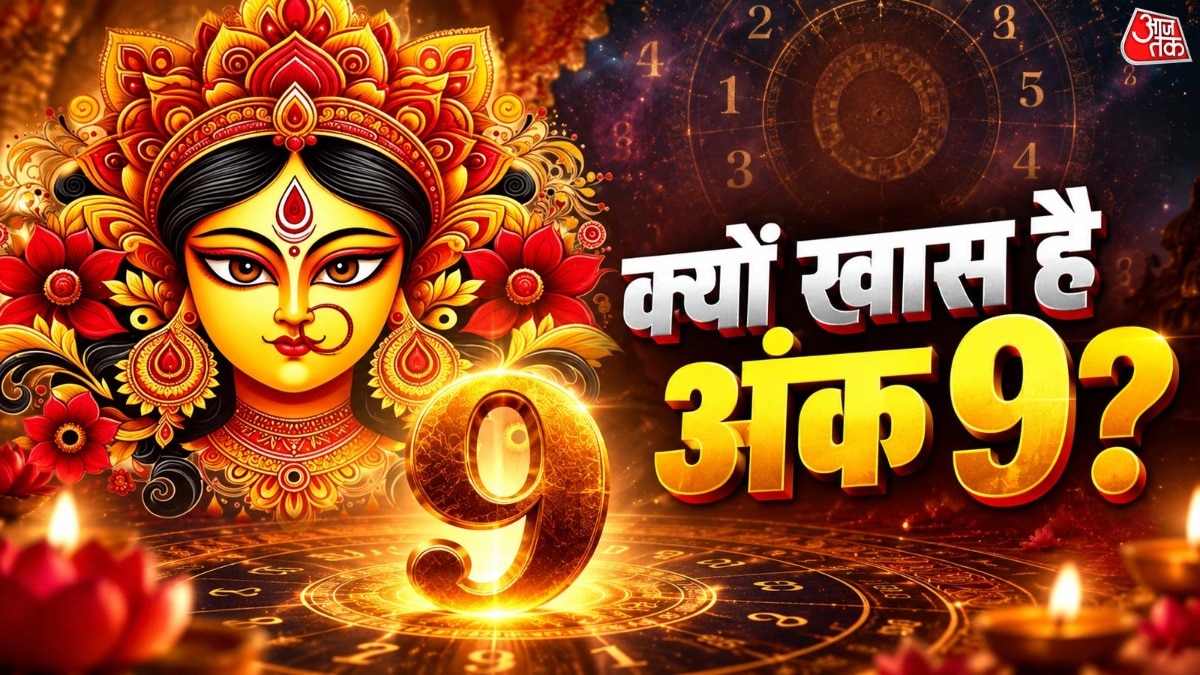
The nine-day observance of Navratri, one of Hinduism's most significant festivals, is rooted in both mythological and numerological traditions that devotees believe amplify the spiritual power of goddess worship. The repetition of the number nine across different dimensions of the celebration—the duration, the divine manifestations, and ritual practices—creates a cohesive framework that practitioners consider essential to the festival's spiritual efficacy.
According to Hindu belief systems, Navratri commemorates the nine divine forms, or avatars, of the goddess Shakti. Each day of the festival is dedicated to worshipping a different aspect of the divine feminine, from Shailaputri on the first day through Siddhidatri on the ninth. This progression is believed to represent stages of spiritual transformation and the manifestation of cosmic energy.
The practice of worshipping nine young girls, known as Kanya Pujan, further reinforces this sacred numerology. These girls are considered embodiments of the goddess during the festival period, and their veneration on the final day is considered a culmination of the nine-day period of devotion and spiritual preparation.
In numerology, particularly within Vedic traditions, the number nine holds special significance as the number of Mars, symbolizing courage, valor, and vital energy. Hindu scholars and spiritual practitioners interpret this association as amplifying the festival's connection to inner strength and the triumph of good over evil—themes central to the Navratri narrative of goddess Durga's victory over the buffalo demon Mahishasura.
The mathematical precision embedded within Navratri's nine-day structure reflects broader Hindu philosophical principles regarding cosmic cycles, divine manifestation, and the sanctity of specific numerical sequences in spiritual practice.