World · India Bureau
Why QR Codes Have Three Corner Markers But Not Four
QR codes have become ubiquitous in digital payments, online ticketing, and website access across India. The distinctive pattern features prominent square markers in three corners, while the fourth corner remains unmarked—a deliberate design choice with specific technical reasons.
LSN India ·
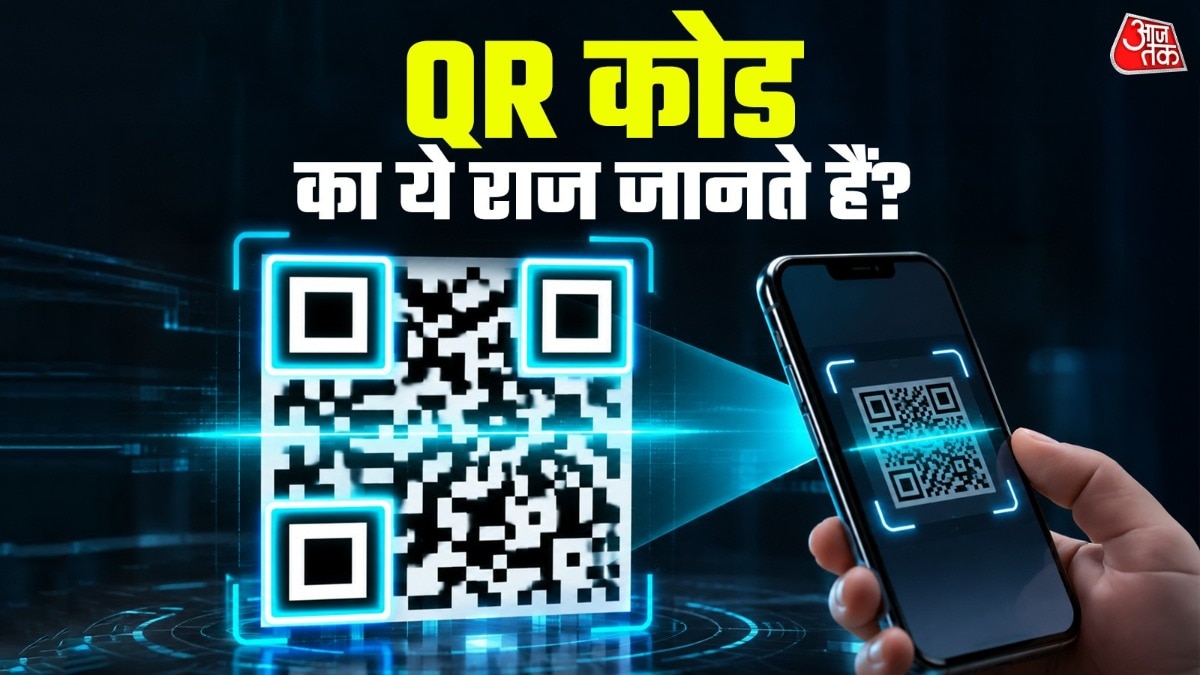
Quick Response codes, commonly known as QR codes, have become an integral part of India's digital infrastructure. From facilitating cashless transactions to enabling contactless ticket purchases and web access, these two-dimensional barcodes have revolutionized how information is shared and accessed. However, most users remain unaware of the intentional asymmetry in their design—specifically, why three corners bear prominent square markers while the fourth lies empty.
The three position markers, formally called "finder patterns," serve a critical function in QR code scanning technology. These large square symbols help scanning devices quickly identify the orientation and position of the code, enabling accurate reading from any angle or direction. The markers contain concentric squares with precise proportions that act as reference points for the scanner's algorithms to locate and decode the embedded data.
The deliberate absence of a marker in the fourth corner is equally important to QR code functionality. This asymmetrical design allows scanning devices to determine the exact orientation of the code instantly. If all four corners were identical, the scanner would face ambiguity about whether the code is right-side up or rotated, potentially causing reading errors or delays. By leaving the bottom-right corner unmarked, the QR code becomes directionally distinct, ensuring faster and more reliable scanning.
This ingenious design principle reflects the broader engineering philosophy behind QR codes: maximum efficiency and reliability in real-world conditions. Whether being scanned from a smartphone camera at varying angles, distances, or lighting conditions, the three-corner marker system with its empty fourth corner ensures consistent performance. This fundamental feature has contributed to QR codes becoming the preferred choice for contactless information transfer across India's rapidly digitalizing economy.