World · India Bureau
Why Ravana effigies burn at dusk, not during daylight hours
As Dussehra celebrations approach, the ritual of Ravana Dahan remains central to India's festive traditions. Religious beliefs and astronomical considerations explain why the symbolic burning of the demon king's effigy takes place in the evening rather than daytime.
LSN India ·
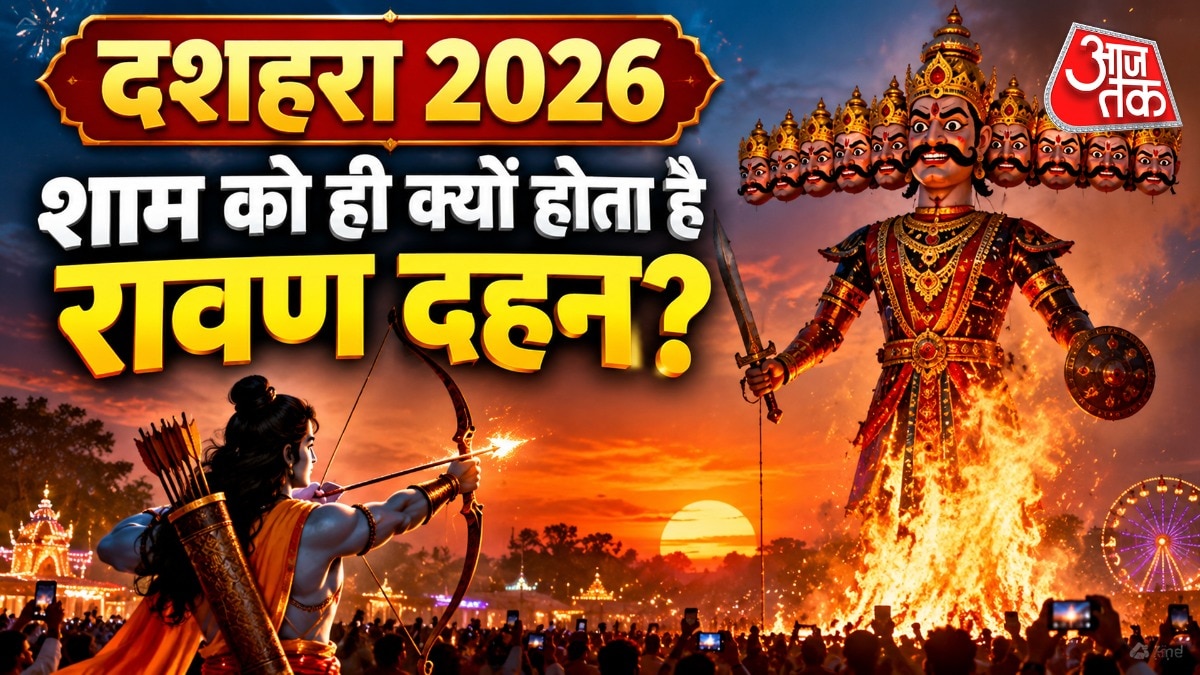
The annual burning of Ravana's effigy during Dussehra is a centuries-old tradition observed across India to commemorate Lord Rama's victory over the demon king. However, the specific timing of this ritual—conducted in the evening rather than during daylight hours—is rooted in religious and cultural beliefs passed down through generations.
Religious texts and Hindu traditions suggest that evening is considered an auspicious time for performing rituals that symbolize the triumph of good over evil. According to these beliefs, conducting the Ravana Dahan at dusk aligns with sacred principles governing the performance of significant religious ceremonies. The evening hours are thought to carry spiritual significance that enhances the symbolic power of the ritual.
Astronomical and practical considerations also influence the timing of Ravana Dahan. The transition from day to night has long been viewed as a spiritually potent period in Hindu philosophy. Additionally, the evening setting allows for better visibility of the burning effigies and provides a more dramatic backdrop for the spectacle, which may have contributed to the establishment and continuation of this tradition.
Dussehra celebrations across India typically culminate with Ravana Dahan in the evening, drawing large crowds to witness the symbolic destruction of the effigy. The ritual serves as a reminder of the eternal battle between righteousness and evil, with the evening timing adding to the ceremonial significance of the occasion. This practice continues to be an integral part of India's cultural and religious tapestry, observed with reverence and enthusiasm by millions each year.