World · India Bureau
Why soak clay lamps in water before lighting this Diwali?
A common practice during Diwali involves soaking earthen diyas in water before igniting them. This traditional technique serves practical purposes that many celebrants may not fully understand.
LSN India ·
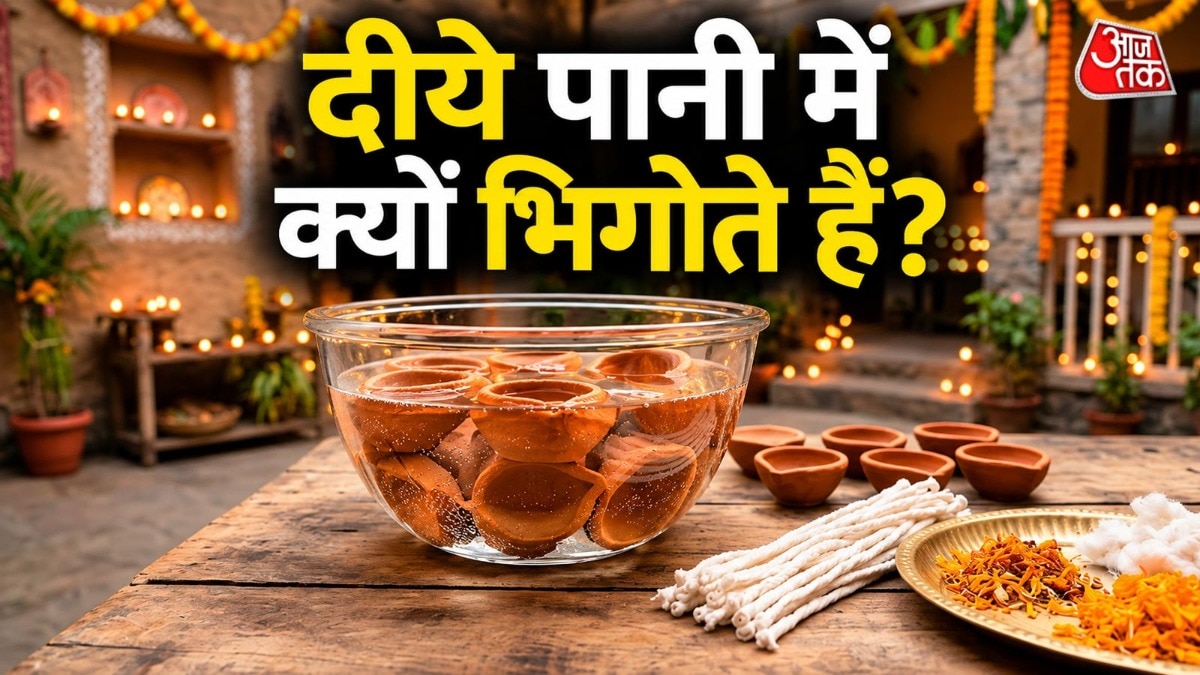
During the Diwali festival, many households follow the practice of soaking clay lamps in water before lighting them. This age-old custom, passed down through generations, is rooted in both practical and functional reasons that enhance the burning experience of traditional earthen diyas.
When clay lamps are soaked in water, the moisture saturates the porous material, which helps regulate the burning process. The water absorbed by the clay prevents the lamp from cracking or becoming too brittle when exposed to the heat of the flame. This preservation of the lamp's structural integrity allows it to burn for an extended period without damage.
Beyond structural benefits, the water saturation also contributes to more efficient oil consumption. The moisture content in the clay creates a cooling effect that slows down the rate at which oil burns, thereby reducing wastage and making each lamp last longer. This aspect of the practice is particularly valued by those seeking to maximize the utility of their diyas throughout the festive season.
Experts recommend soaking clay lamps for approximately 30 minutes to an hour before use to achieve optimal results. This soaking duration allows sufficient water penetration without oversaturating the material. For those wishing to extend the burning period further, additional practical measures include using quality oil, trimming wicks appropriately, and ensuring proper ventilation around the lamps to maintain steady, sustained flames throughout the celebration.