Politics · Singapore Bureau
Why Taiwan remains central to China's strategic interests
Chinese President Xi Jinping is expected to raise Taiwan during talks with US President Donald Trump this week, particularly regarding American military support for the island. The issue underscores deep strategic and historical divisions between Beijing and Washington.
LSN Singapore ·
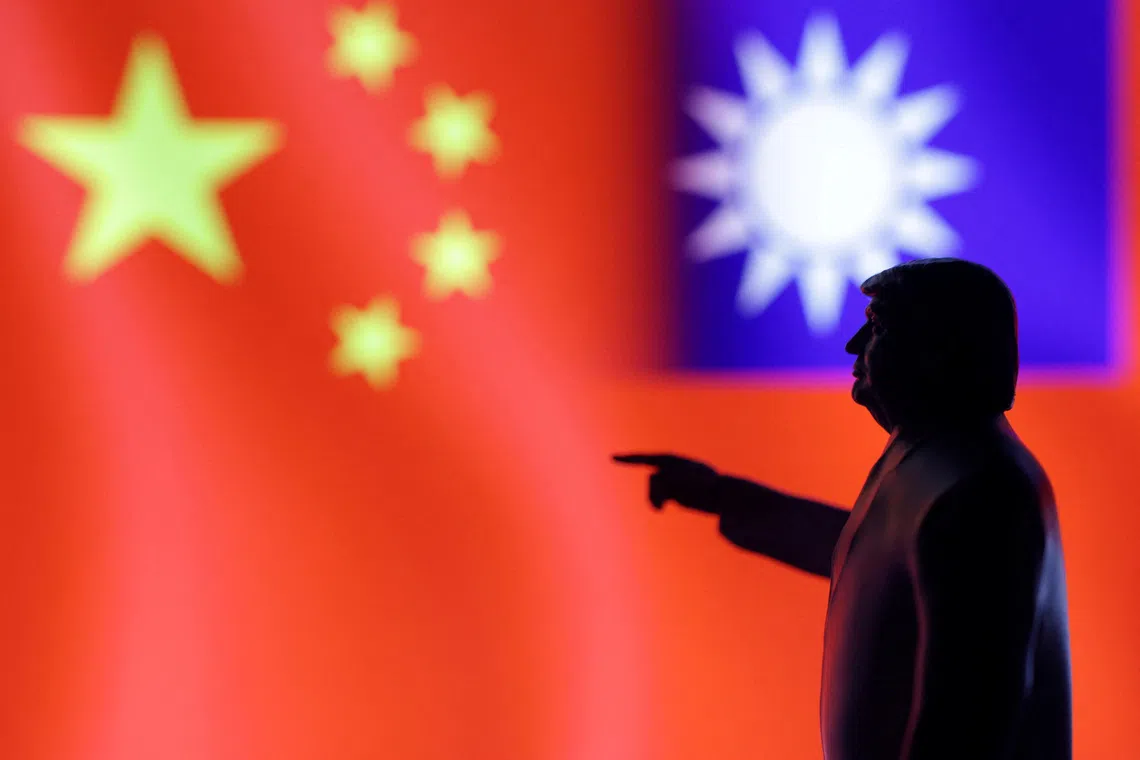
Taiwan's significance to China extends far beyond its geographic location in the Taiwan Strait. For Beijing, the island represents unfinished business from China's civil war, when the defeated Nationalist government retreated to Taiwan in 1949. Chinese leaders across decades have maintained that Taiwan is an integral part of Chinese territory, making its status a matter of national sovereignty rather than a simple geopolitical dispute.
The strategic importance of Taiwan has only intensified in recent decades. Situated along critical shipping lanes through which trillions of dollars in global trade passes annually, control of Taiwan would give China dominance over vital sea routes connecting the Indian and Pacific Oceans. Additionally, Taiwan sits at the first island chain, a crucial geographic barrier that currently constrains China's naval expansion into the broader Pacific.
American military support for Taiwan has long been a flashpoint in US-China relations. The United States maintains informal diplomatic ties with Taiwan while officially recognizing the People's Republic of China, yet continues to provide defensive weapons systems to Taipei under the Taiwan Relations Act of 1979. Beijing views these arms sales as interference in its internal affairs and an obstacle to eventual reunification.
For China under Xi Jinping's leadership, achieving some form of resolution on Taiwan has become increasingly tied to his vision of national rejuvenation. The issue resonates deeply with Chinese nationalism and party legitimacy, making it unlikely to be abandoned as a core foreign policy objective regardless of shifts in international circumstances.