World · India Bureau
Why Taj Mahal Remains Dark After Sunset Despite Its Global Fame
The Taj Mahal, one of the world's most iconic monuments, is not illuminated at night, preventing visitors from witnessing its architectural splendour after dark. The absence of nighttime lighting at the Agra landmark raises questions about the reasons behind this restriction.
LSN India ·
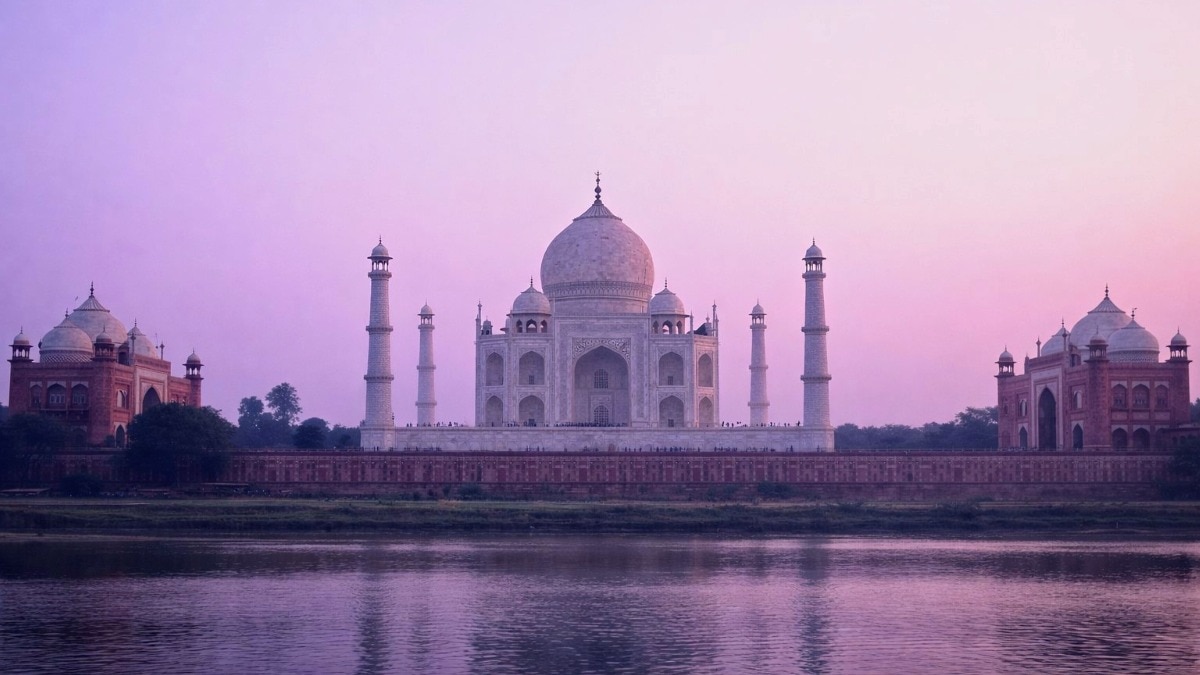
The Taj Mahal, India's most recognisable monument and a UNESCO World Heritage Site, does not feature artificial lighting in its regular visitor operations, meaning tourists cannot experience its celebrated white marble façade after sunset. This practice stands in contrast to many other heritage sites globally, where strategic illumination enhances the visitor experience and extends operational hours.
The monument's management has maintained restrictions on nighttime access and lighting for several decades. While the reasons for this policy have not been officially detailed in a comprehensive public statement, conservation concerns are believed to play a significant role. Heritage experts have long argued that artificial lighting can potentially affect the marble's structural integrity and accelerate weathering of the 17th-century monument.
Additionally, authorities may have prioritised maintaining the monument's original aesthetic character and protecting it from excessive wear caused by extended visitor traffic. The Taj Mahal currently operates under strict visiting hours, with access typically limited to dawn through late afternoon. Special provisions do exist for moonlit viewing on select dates around the full moon, though these remain limited in scope.
The illumination question reflects broader discussions in India's heritage conservation sector about balancing public access, visitor experience enhancement, and long-term preservation of irreplaceable structures. As tourism pressures increase, monument authorities continue to weigh the benefits of extended viewing hours against potential conservation risks.