World · India Bureau
Why We Lose Balance Standing on One Leg With Eyes Closed
The body's ability to maintain equilibrium relies on a complex interplay between vision, the brain, muscles, and the inner ear's balance system. Closing the eyes while standing on one leg disrupts this coordinated mechanism, leading to instability.
LSN India ·
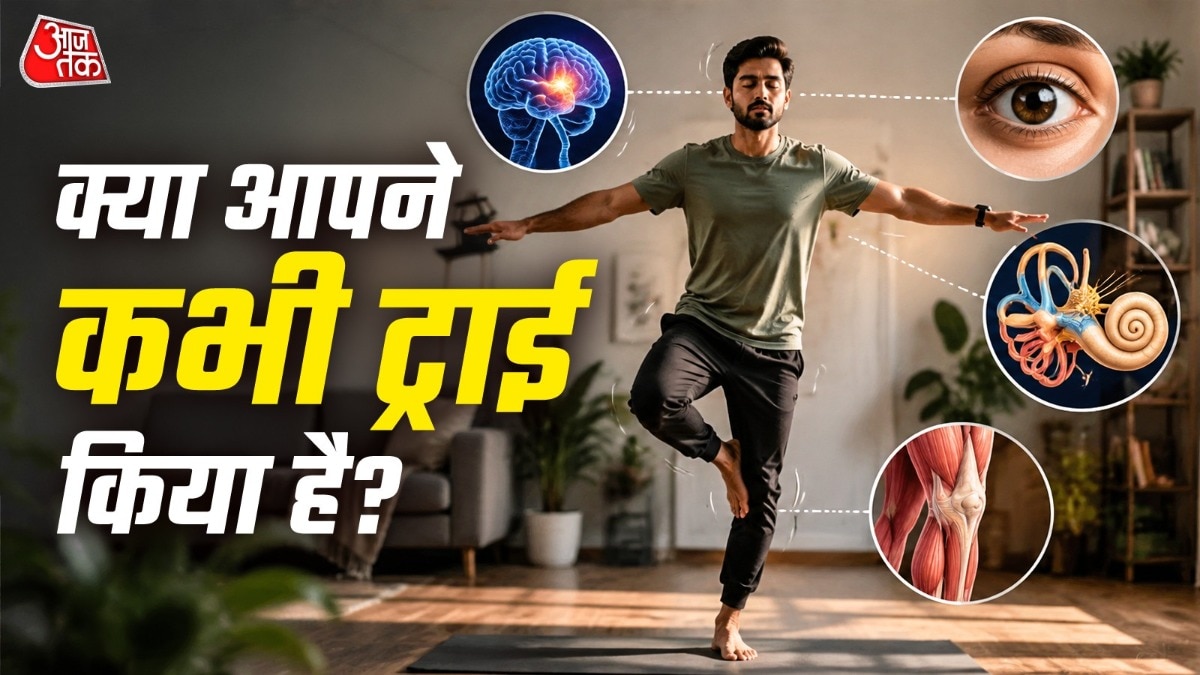
The human body maintains balance through an intricate system that integrates sensory information from multiple sources. When standing upright on a single leg with eyes open, the brain continuously processes visual cues alongside signals from the inner ear and proprioceptors in muscles and joints to keep the body aligned.
The inner ear contains the vestibular system, a specialized sensory organ responsible for detecting body position and movement. This system works in concert with vision to provide the brain with real-time feedback about spatial orientation. Visual input accounts for approximately 30 percent of the body's balance mechanism, making it a significant contributor to postural stability.
When the eyes are closed, the brain loses this crucial visual feedback. The vestibular system and proprioceptors must compensate entirely on their own, a far more challenging task for the nervous system. Additionally, closing the eyes while balancing on one leg increases reliance on the inner ear's ability to detect even minute shifts in body weight and position—a demand that often exceeds the system's precision for such fine adjustments.
The result is visible body sway and instability. Small oscillations in body position trigger overcorrections from the motor system, creating a cascading effect that manifests as wobbling and difficulty maintaining equilibrium. This phenomenon demonstrates how deeply dependent human balance is on the integration of multiple sensory systems working in harmony.