World · India Bureau
Why wealthy homes stay sparse while middle-class dwellings overflow with possessions
Affluent households typically feature minimalist interiors with ample open space, while middle-class homes tend to accumulate more belongings. Experts suggest psychological factors rooted in contrasting abundance mindsets may explain this domestic divide.
LSN India ·
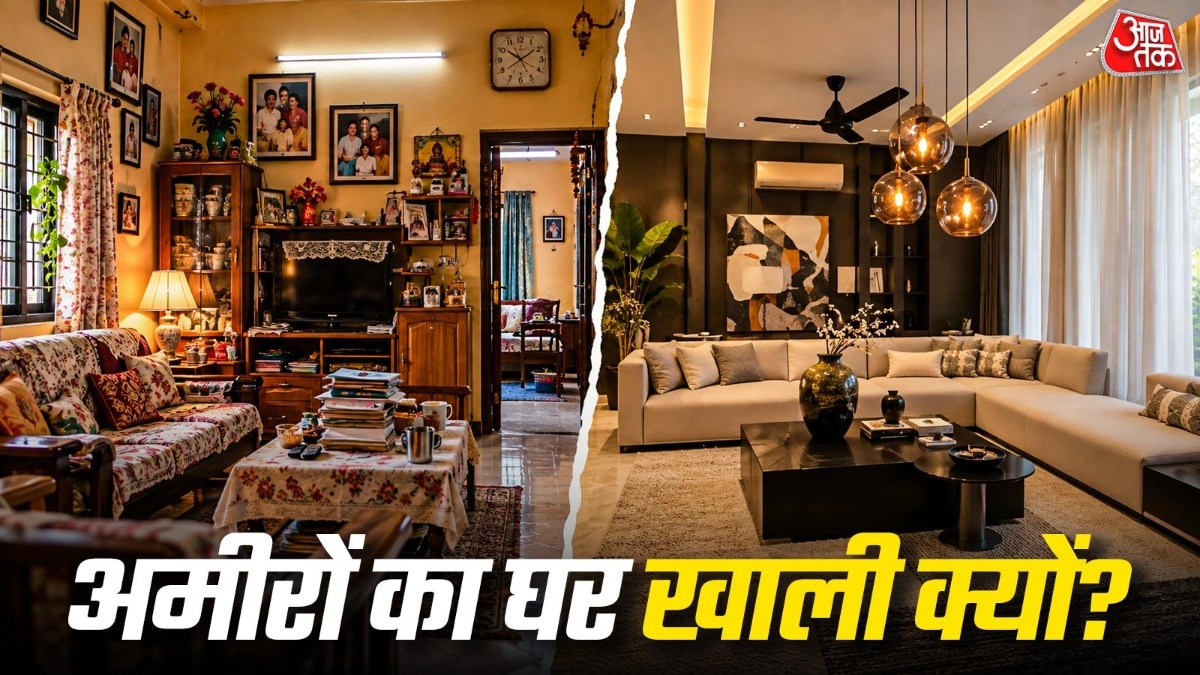
A striking contrast emerges when comparing the interior spaces of India's wealthy and middle-class households. Affluent homes often display carefully curated minimalist designs with generous empty spaces, while middle-class dwellings frequently showcase densely packed furnishings and possessions.
Beyond aesthetic preferences, behavioral psychologists point to underlying psychological frameworks as key drivers of these patterns. The abundance mindset—a psychological orientation rooted in the belief that resources are limited and must be preserved—plays a significant role in shaping accumulation habits among middle-class families.
Individuals raised with financial constraints or who have experienced resource scarcity often internalize the notion that keeping and preserving possessions provides security. This mindset translates into reluctance to discard items, viewing unused goods as potential safeguards against future uncertainty. Conversely, those who have grown up with financial stability and confidence in their ability to acquire necessities when needed often adopt a scarcity mindset toward physical possessions itself.
Interior design choices thus reflect deeper psychological patterns formed through lived experiences with wealth and resources. The minimalist aesthetic favored by affluent households is not merely a style statement but an expression of psychological freedom from the fear of want. Understanding these behavioral patterns offers insight into how economic backgrounds shape not only consumer choices but domestic environments and everyday life philosophies.