Culture & Entertainment · India Bureau
Widow's Land Battle Led to Indiana Dunes Protected Status
An Indiana widow's two-decade legal struggle to retain her lakefront property in the early 1900s ultimately contributed to the creation of a protected nature reserve. Drusilla Carr's determination to defend her 120-acre claim against development pressures left a lasting legacy on the American landscape.
LSN India ·
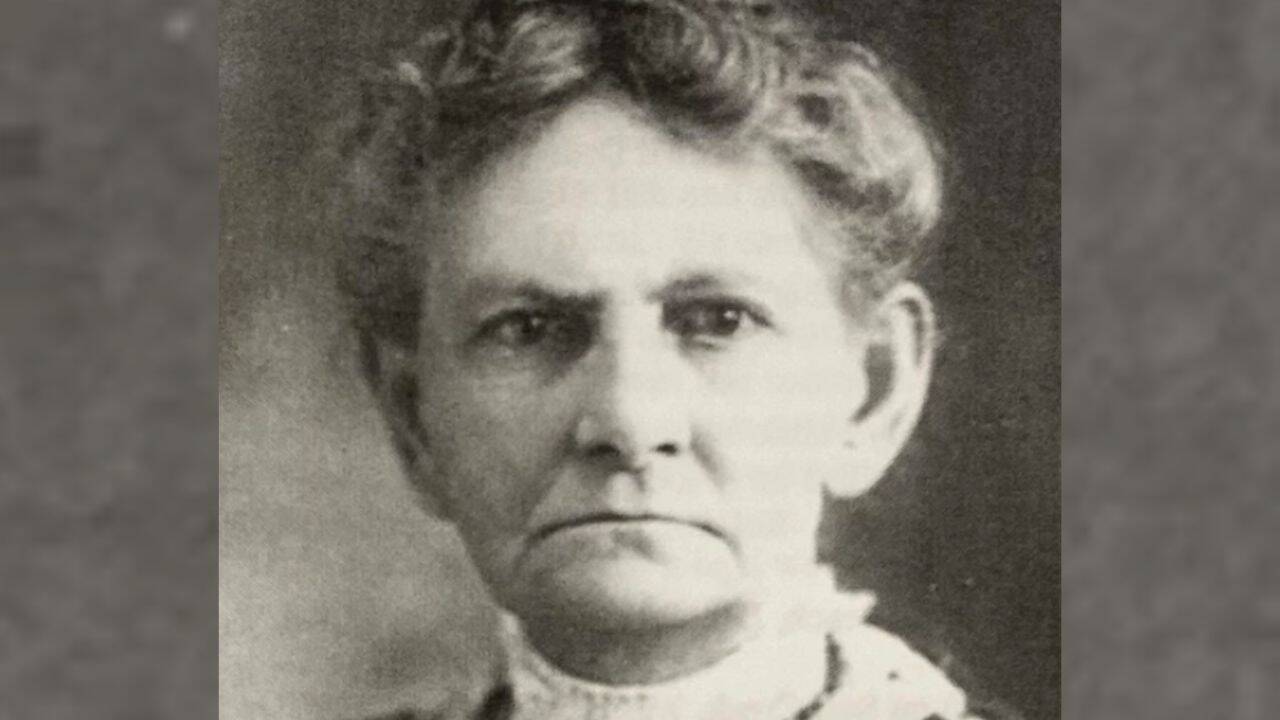
Drusilla Carr, a widow with little formal education, became an unlikely protagonist in one of the American Midwest's notable property disputes when she launched a lengthy legal campaign to retain control of her 120 acres bordering Lake Michigan in Indiana. Beginning in 1908, Carr faced mounting pressure as the industrial city of Gary expanded and the value of lakefront real estate soared. Over more than twenty years, she pursued repeated court battles against various attempts to acquire her land, demonstrating remarkable persistence against considerable odds.
The expansion of Gary during the early twentieth century transformed the region's economic landscape, making waterfront property increasingly valuable and contested. Carr's determination to maintain her claim stood in stark contrast to the prevailing development trajectory of the era, yet she remained resolute in defending what she viewed as rightfully hers.
Though Carr passed away decades ago, her legacy took an unexpected form. A portion of her former property was eventually incorporated into a larger 212-acre donation that became protected land within the Indiana Dunes National Lakeshore. Today, the area remains safeguarded as part of the National Park system, preserving a segment of the Indiana shoreline for public benefit and environmental conservation. Carr's long struggle thus inadvertently contributed to the establishment of one of the region's most significant protected natural spaces.