World · India Bureau
Wildlife Crossings Cut US Highway Collisions by Up to 91 Percent
A coordinated network of wildlife passages in Colorado has dramatically reduced vehicle collisions along Interstate 25, with new data showing crash reductions of up to 91 percent in certain sections. The system, which includes fencing, underpasses, and an overpass that opened in December 2025, has proven effective in channeling elk, pronghorn, and other species safely across the busy highway corridor.
LSN India ·
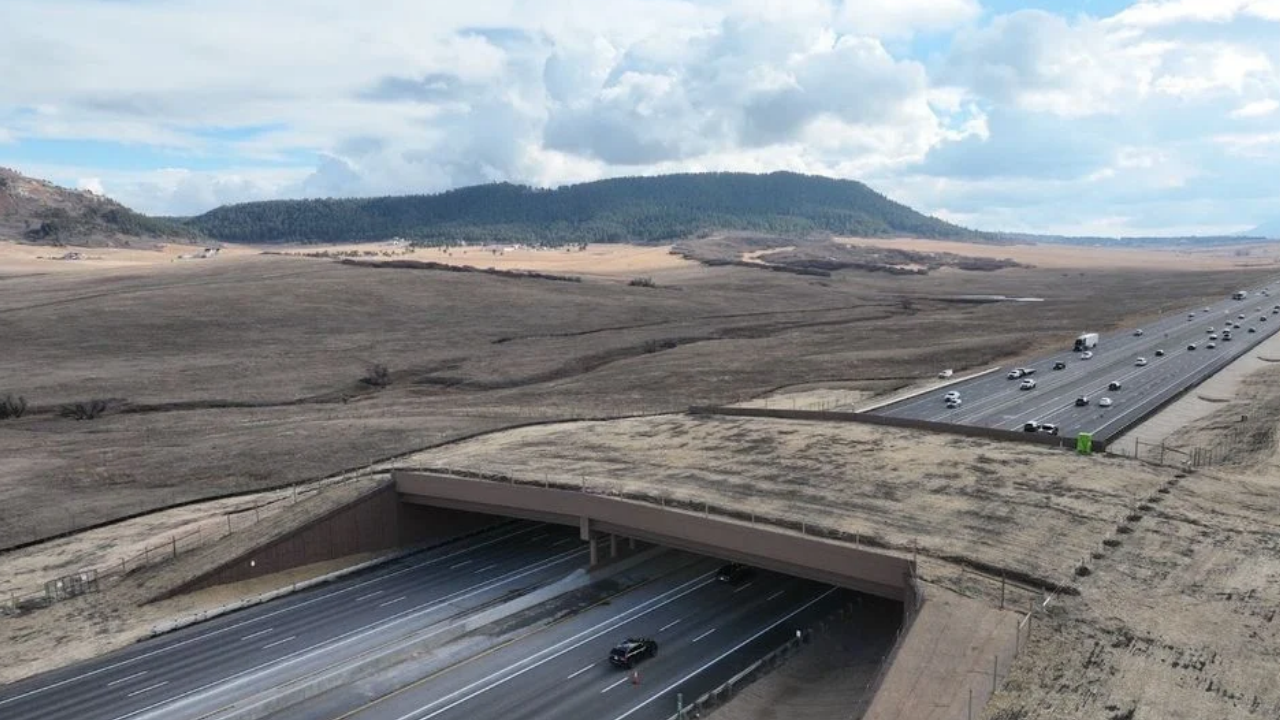
A comprehensive wildlife crossing infrastructure project in Colorado has delivered significant results in reducing highway fatalities among animals and associated vehicle collisions. The multi-modal system, combining fencing installations, underground passages, and a dedicated overpass structure, has achieved collision reductions of approximately 85 percent along Interstate 25, with some segments reporting declines as high as 91 percent.
The overpass component, which became operational in December 2025, represents a critical element of the broader mitigation strategy. By providing elevated passage routes, the structure enables large ungulates and other wildlife to traverse the interstate without entering traffic lanes. Data compiled since the system's deployment demonstrates that elk, pronghorn, and various other species have rapidly adopted these crossing corridors as preferred routes.
The fencing network complements the crossing structures by directing wildlife toward designated passages rather than encouraging random highway attempts. This combination of physical barriers and alternative routes has proven particularly effective in reducing the frequency of high-speed collisions that typically result in vehicle damage, injury, and animal mortality.
Encouraged by the success of the initial implementation, Colorado transportation authorities have announced plans to construct six additional wildlife crossing facilities along the Interstate 25 corridor. The expansion reflects growing recognition among transportation planners that infrastructure designed to accommodate wildlife movement can simultaneously enhance public safety and conservation outcomes.