World · India Bureau
Wildlife learns to ignore farm deterrents as habituation sets in quickly
Research shows human noise and bright lights effectively deter deer and elk from crops, but animals quickly adapt to such measures within weeks. Scientists now recommend varying deterrent methods to maintain effectiveness.
LSN India ·
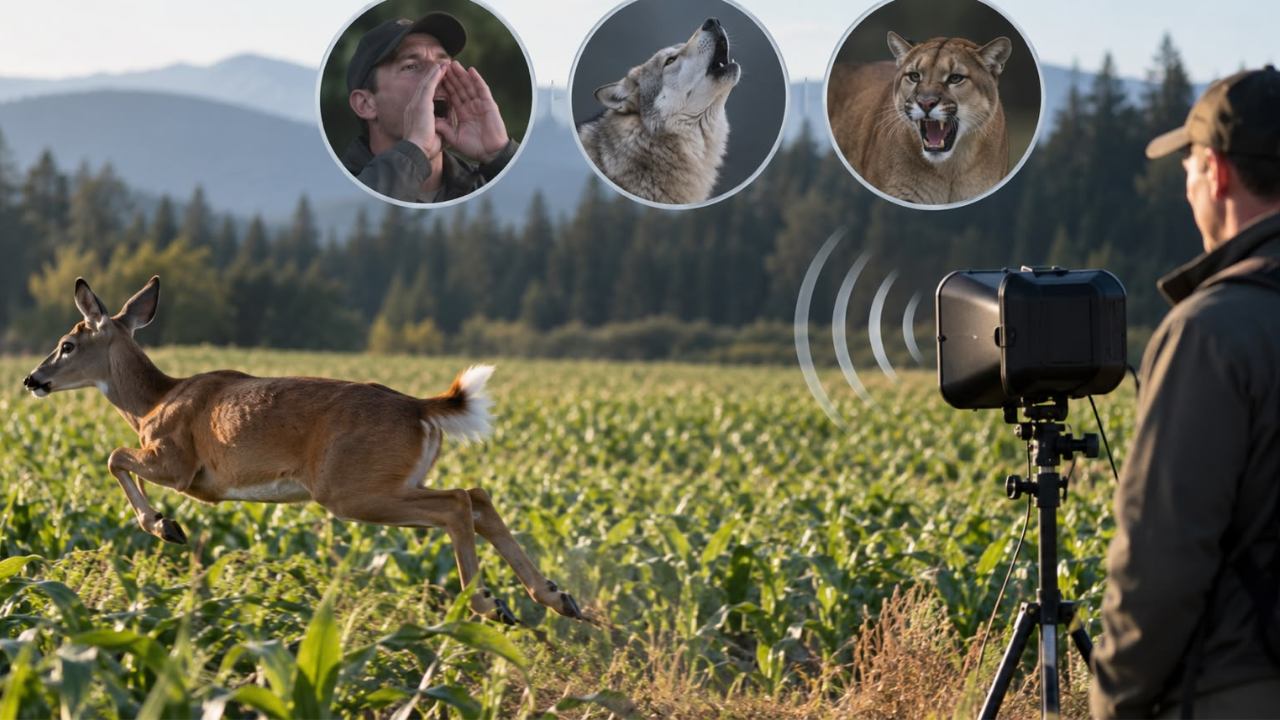
A study examining crop protection methods has found that while human-generated noise and bright lights initially succeed in driving deer and elk away from farmland, the animals rapidly become accustomed to these deterrents, necessitating new approaches to wildlife management.
Researchers testing various deterrent methods discovered that loud human sounds proved most effective at keeping wildlife at bay, significantly outperforming predator calls and dog barks in preventing animals from approaching crops. Bright lighting also showed promise as an initial deterrent against foraging wildlife.
However, the effectiveness of these measures diminished considerably over a six-week period as the animals habituated to the stimuli. The phenomenon proved especially pronounced near areas of regular human activity, where deer and elk appeared to recognize that the deterrents posed no genuine threat.
To combat this adaptive behaviour, researchers recommend employing a rotating strategy of varied deterrents rather than relying on single methods. They suggest introducing consequences alongside deterrents—such as pairing noise or light with physical barriers or negative reinforcement—to prevent wildlife from recognizing patterns and adjusting their behaviour accordingly.
The findings offer practical guidance for agricultural communities seeking sustainable wildlife management solutions that maintain effectiveness over extended periods without harming animals.