World · India Bureau
Wildlife overpass in US drastically reduces animal-vehicle collisions
A purpose-built green bridge in Colorado has successfully cut highway collisions involving wildlife by 91 percent, offering a potential model for infrastructure projects across animal migration routes. The innovative structure demonstrates how thoughtful urban planning can protect both wildlife and motorists.
LSN India ·
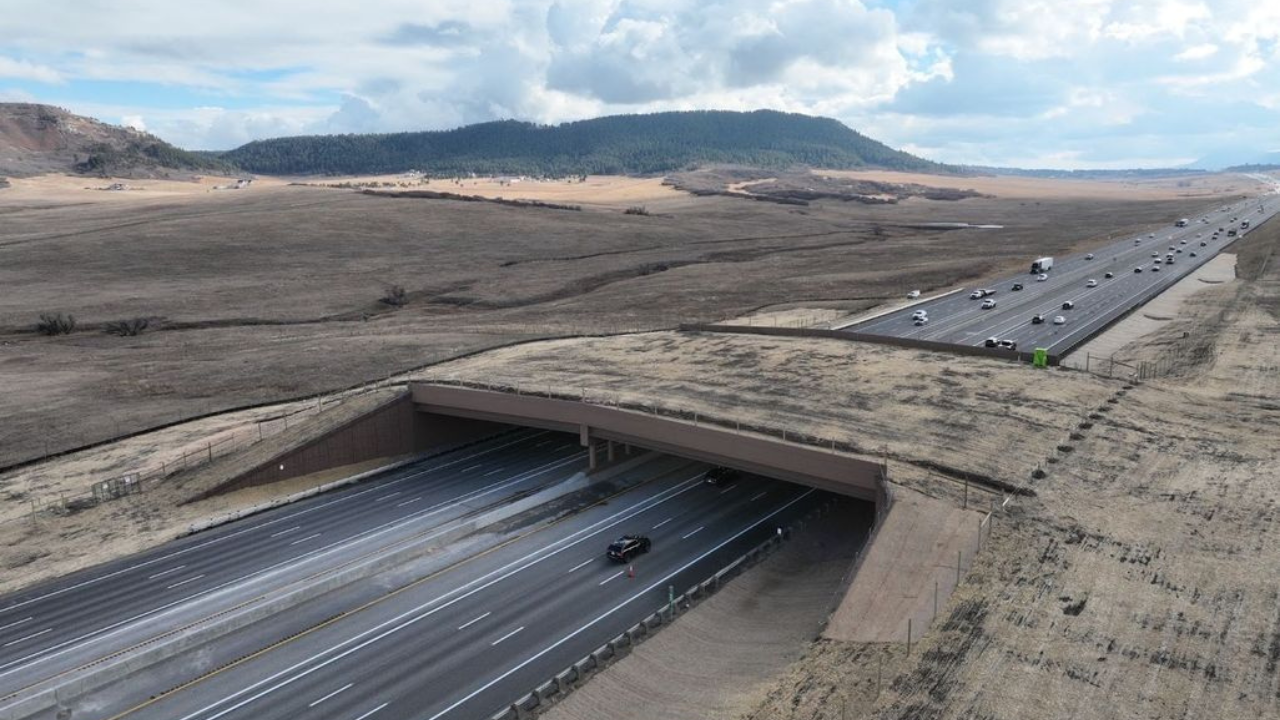
An elevated wildlife crossing constructed over a Colorado highway has emerged as a highly effective solution to reduce fatal collisions between vehicles and animals, with preliminary data showing a dramatic 91 percent reduction in incidents. The green bridge, designed to allow native fauna to cross safely without interaction with traffic below, represents a growing trend in wildlife-conscious infrastructure development in North America. Engineers and wildlife experts say the structure allows animals to maintain their natural migration patterns while eliminating the dangers posed by attempting to cross busy roadways at ground level.
The project has attracted attention from transportation planners and environmental scientists globally, as nations increasingly grapple with balancing human infrastructure needs with wildlife preservation. The overpass was constructed with native vegetation and natural materials to encourage animal usage and minimize human presence. Early monitoring data collected since the bridge's completion has revealed consistent usage by various species, validating the concept's effectiveness.
Wildlife advocates note that such infrastructure solutions address a significant conservation challenge in rapidly developing regions. In many areas, highways fragment animal habitats and create deadly barriers to migration, breeding, and foraging activities. The Colorado bridge's success suggests that similar structures could be implemented in other regions experiencing high rates of wildlife-vehicle collisions.
Experts emphasize that while construction costs are substantial, the economic benefits—reduced vehicle damage, fewer insurance claims, and eliminated cleanup expenses—help justify the investment. Transportation departments in multiple US states are now evaluating similar projects for deployment in wildlife corridors, potentially offering lessons applicable to developing nations facing comparable challenges as infrastructure expands through ecologically sensitive areas.