World · World News Bureau
Wildlife researchers document poignant life cycle of Asian elephant
A long-term study tracking an individual elephant reveals both the remarkable resilience and profound vulnerabilities of Asian elephants in their natural habitat. The research highlights critical insights into elephant behavior, family dynamics, and conservation challenges.
LSN World News ·
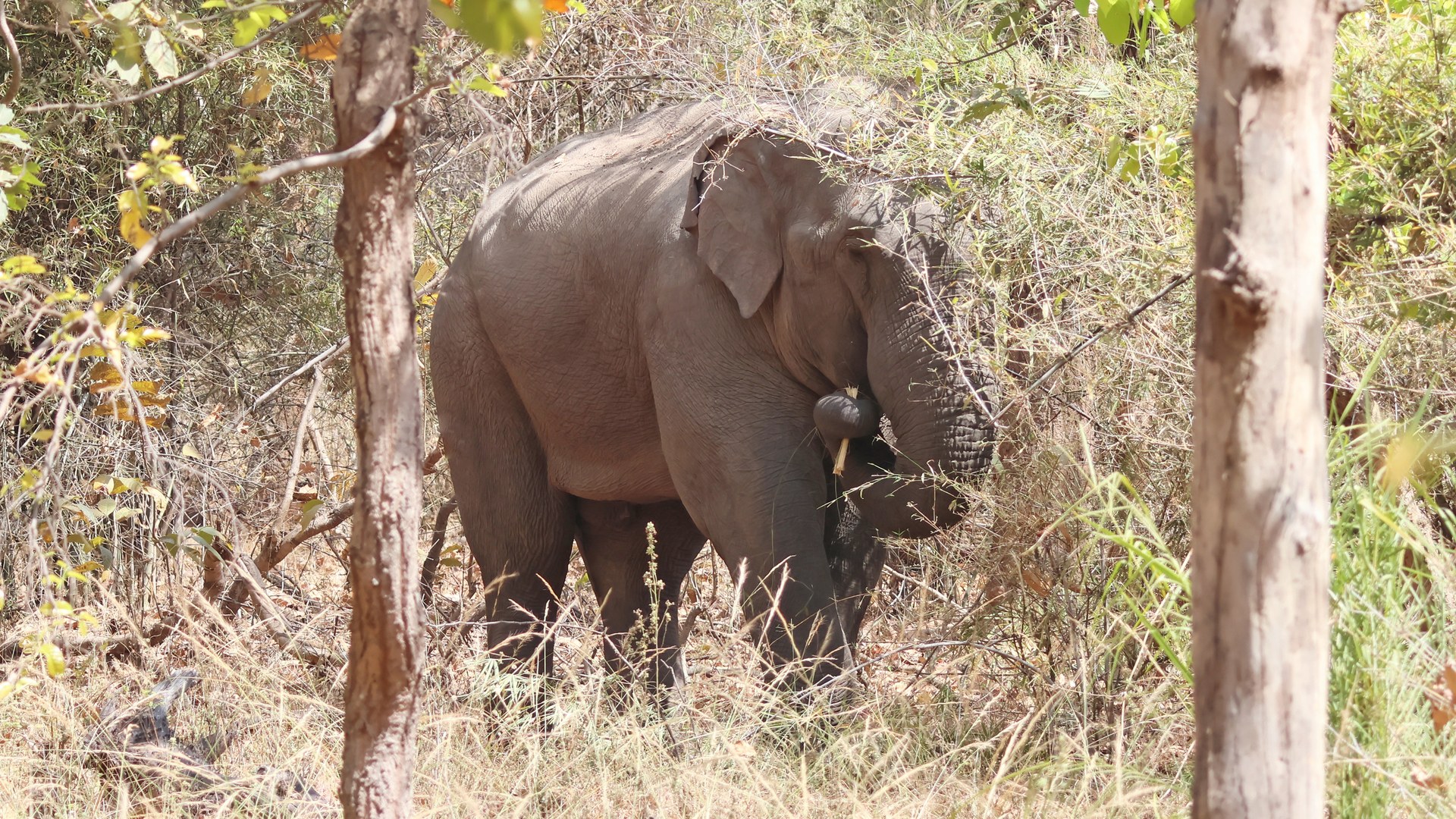
Researchers conducting multi-decade observations of wildlife populations across South and Southeast Asia have documented the compelling life story of a single elephant, providing rare longitudinal data on individual animal development, social bonds, and survival challenges.
The subject's journey from birth through adulthood illuminates the complex social structures that govern elephant herds, including maternal bonding, hierarchical relationships, and learned behaviors passed across generations. Field researchers noted significant behavioral milestones and social interactions that demonstrate the cognitive and emotional sophistication of these creatures.
However, the elephant's life trajectory also reflects broader conservation concerns affecting Asian elephant populations. The individual's experiences—including environmental pressures, habitat constraints, and human-wildlife interactions—mirror challenges facing countless elephants across the region as their natural ranges continue to contract.
Wildlife experts emphasize that individual animal studies provide essential context for understanding population-level trends and informing species conservation strategies. Such longitudinal research helps establish baselines for normal elephant development while identifying stress indicators that signal ecosystem degradation or resource scarcity.
The documentation underscores the urgent need for habitat protection and human-wildlife coexistence initiatives throughout South and Southeast Asia, where elephant populations face mounting pressure from development, agricultural expansion, and climate change.
Photo: An Asian elephant in Bandhavgarh National Park, Madhya Pradesh, March 2026. Bernard Gagnon via Wikimedia Commons (CC BY 4.0).