Business · India Bureau
Wind energy leases emerge as reliable farm income alternative
Renewable energy projects are providing American farmers with steady revenue streams that often exceed traditional crop cultivation returns. The trend reflects growing efforts to diversify agricultural income amid volatile commodity markets.
LSN India ·
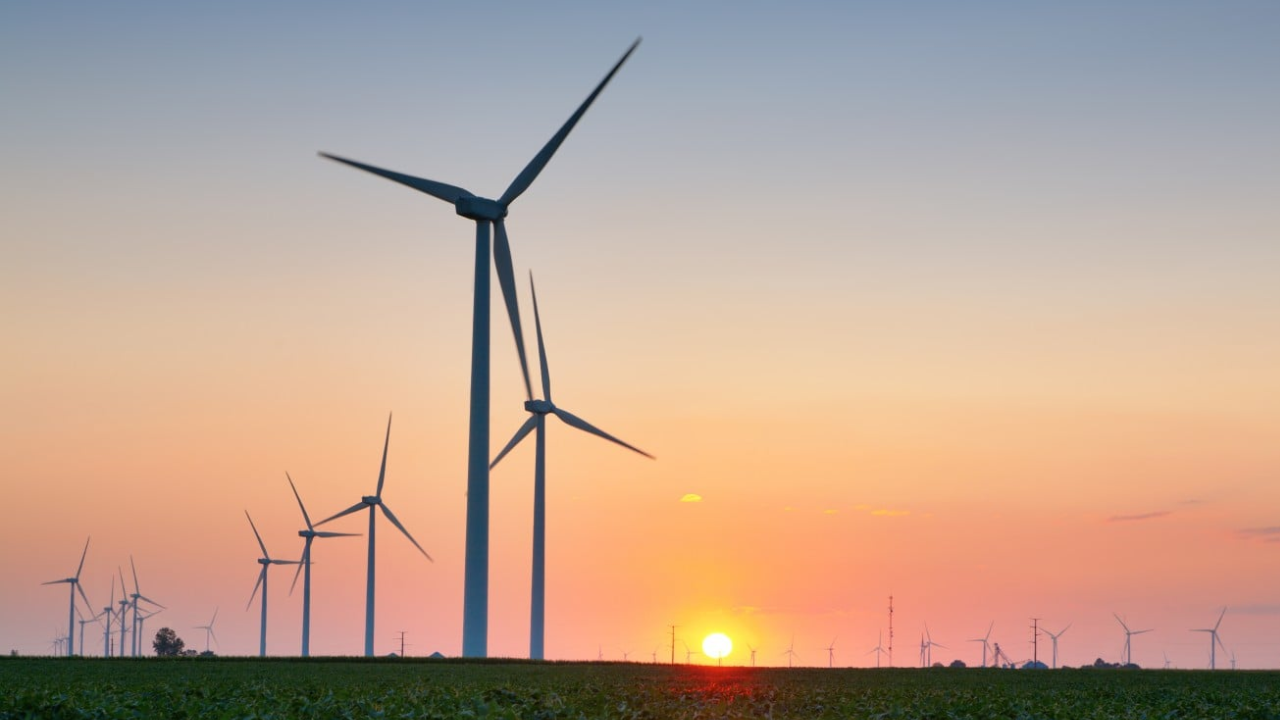
Agricultural communities across the American Midwest are increasingly turning to wind energy partnerships as a hedge against the financial uncertainties of conventional farming. For many operators, long-term lease agreements with wind turbine developers have become their most stable and predictable revenue source, offering relief from the volatility of commodity prices and mounting operational costs.
The arrangement typically involves farmers leasing portions of their land to wind energy companies for turbine installations. These agreements provide guaranteed annual payments, creating income that is largely insulated from the market fluctuations that characterize traditional crop and livestock operations. Industry analysts note this diversification strategy has gained particular traction among smaller and mid-sized farms seeking financial stability.
Beyond individual farm benefits, wind energy projects are generating broader economic advantages for rural regions. Enhanced property tax revenues and infrastructure investments associated with renewable energy facilities are bolstering local government resources and community development. Schools and public services in participating counties have benefited from increased tax bases.
While the renewable energy expansion has faced some local opposition regarding visual impact and environmental concerns, many farming families view wind lease income as essential to their long-term viability. As global energy markets continue shifting toward renewable sources, such partnerships are likely to expand, potentially reshaping the financial foundation of American agriculture.