Business · India Bureau
Wind energy lifeline helps preserve traditional American ranching operations
A fifth-generation Texas rancher has found that renewable energy royalties can sustain traditional livestock operations while supporting rural economic development. The arrangement demonstrates growing opportunities for farmers and ranchers to benefit from clean energy infrastructure.
LSN India ·
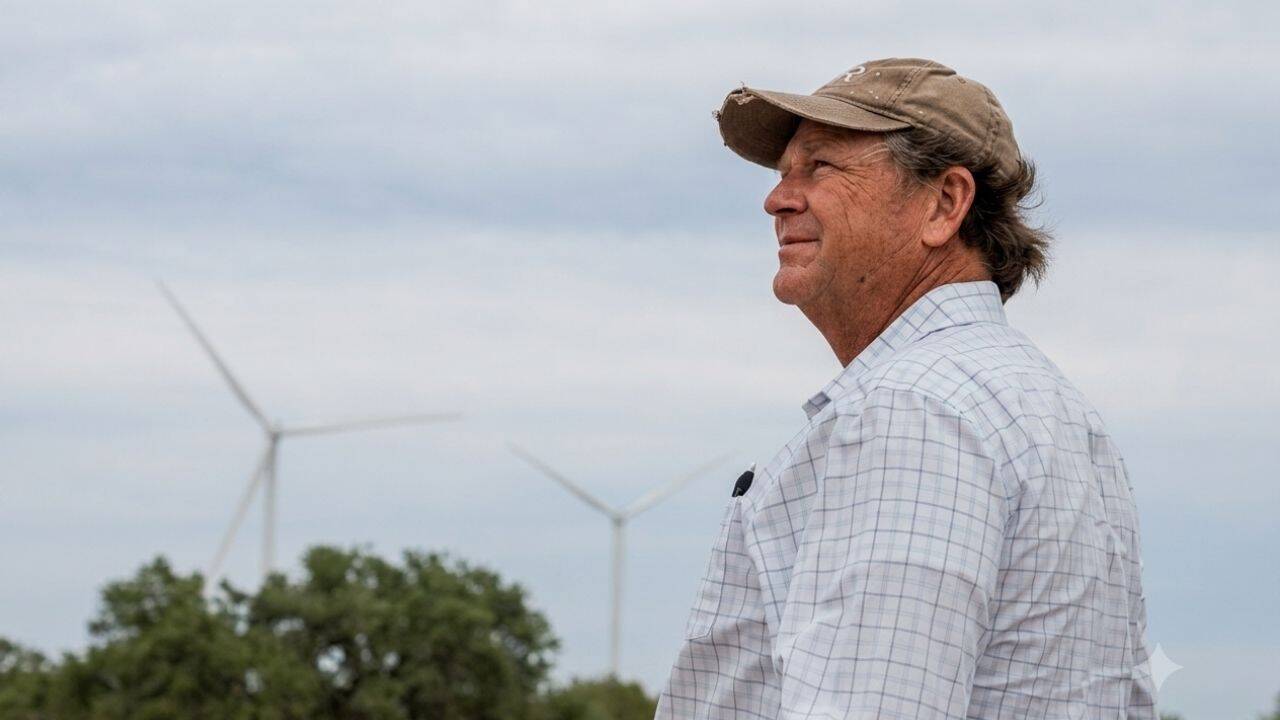
A West Texas ranching family initially hesitant about wind energy infrastructure has embraced the technology as a critical revenue stream for their multi-generational operation. The rancher, who manages a family property spanning generations, initially rejected proposals to host wind turbines on his land before reconsidering the economic opportunity.
The decision to participate in the Cactus Flats wind project has proven financially significant for the ranching enterprise. Since 2019, consistent royalty payments from seven turbines installed on the property have provided reliable income to offset core operational expenses including livestock feed, employee wages, fence maintenance, and equipment repairs.
Beyond immediate ranch operations, the wind energy income has enabled broader community investment. The rancher has used portions of the wind royalties to develop a community facility in Menard, demonstrating how renewable energy partnerships can catalyse rural economic development beyond individual farm operations.
The case illustrates an emerging model in American agriculture where renewable energy projects complement rather than replace traditional farming and ranching. As rural communities seek sustainable income sources, wind energy partnerships offer landowners the ability to maintain agricultural operations while diversifying revenue streams and supporting local infrastructure development.