World · India Bureau
Wind turbines offer Indian farmers lucrative alternative to traditional crops
As agricultural incomes stagnate across many regions, renewable energy projects present a significant new revenue stream for farmers willing to lease small portions of their land. A study of wind energy operations shows annual lease payments can exceed farming returns by more than 20 times.
LSN India ·
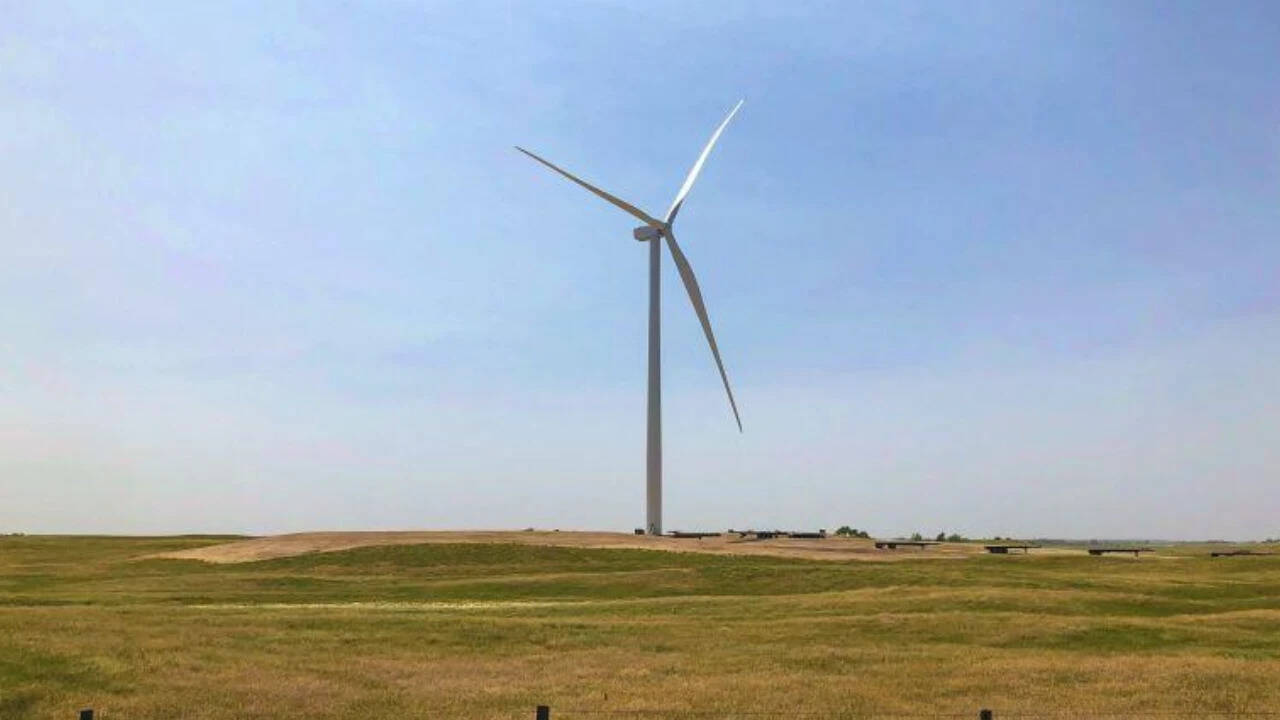
The economics of agricultural land use are shifting as renewable energy developers seek suitable locations for wind turbine installations. A case study of wind energy operations in grain-producing regions demonstrates the financial appeal: developers typically offer landowners annual lease payments ranging from $10,000 to $12,500 for a 30-year agreement, compared to estimated annual returns of just $600 from cultivating the same area with conventional crops.
The key advantage for farming families lies in the minimal land footprint required. A single wind turbine installation occupies approximately one acre, leaving the remaining 159 acres of a typical 160-acre parcel available for continued agricultural use. This dual-use approach allows farmers to maintain traditional crop production while generating substantial additional income from energy production.
The disparity in returns reflects broader challenges in agricultural economics. Commodity crop prices have remained relatively stagnant for years, constraining farm profitability even as input costs have risen. By contrast, renewable energy agreements provide stable, predictable income streams backed by long-term contracts.
For regions considering renewable energy expansion, such arrangements offer a win-win proposition. Farmers gain financial security and diversified income sources, while energy developers secure land access for clean power generation. As agricultural pressures mount across South Asia, similar models could provide viable pathways for enhancing rural incomes while supporting the transition to sustainable energy infrastructure.