World · India Bureau
Winter Water Heaters Pose Silent Danger, Experts Warn of Blast Risk
As temperatures drop across India, millions rely on electric geysers to heat water for daily use. However, safety experts caution that poorly maintained units can pose serious risks, including potentially fatal explosions.
LSN India ·
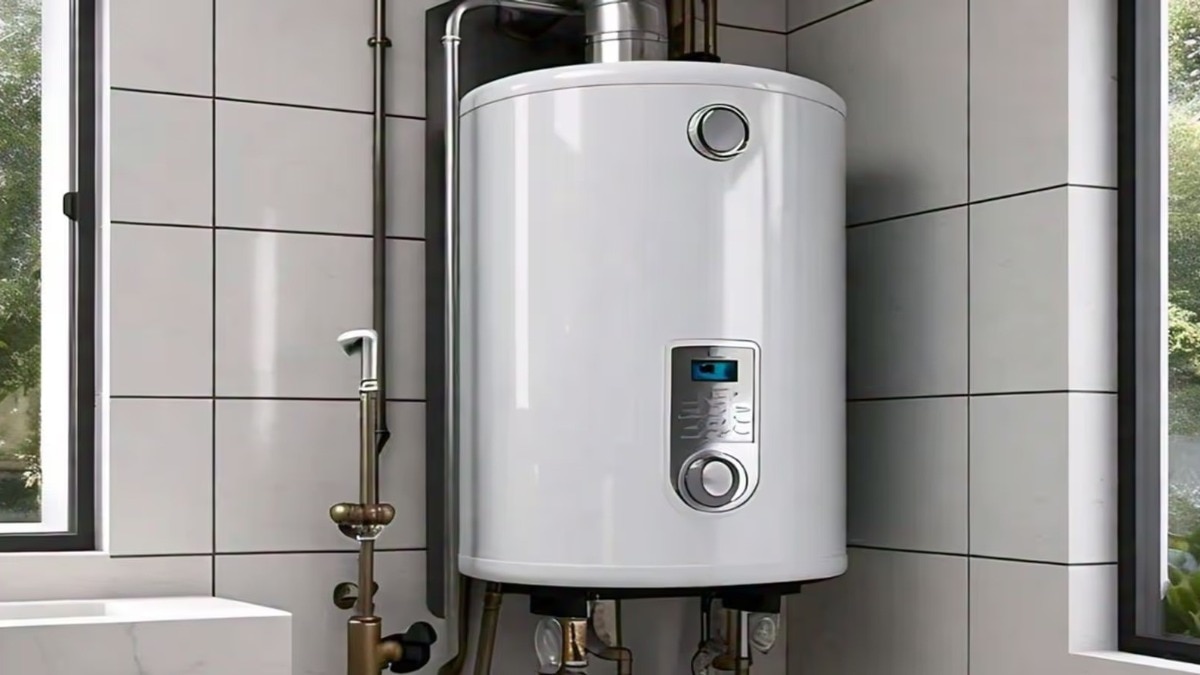
With winter setting in across much of India, water heating has become a household necessity for millions of families. Electric geysers, commonly found in bathrooms and kitchens, remain the primary appliance for this purpose during colder months. However, health and safety officials warn that these devices demand careful maintenance and proper handling to prevent catastrophic failures.
Geyser explosions, though not widespread, have resulted in serious injuries and fatalities in recent years, making them what safety advocates term a "silent killer" in Indian homes. The devices can malfunction due to various factors including manufacturing defects, improper installation, lack of maintenance, and prolonged use without inspection. Pressure build-up inside faulty units has been documented as a primary cause of sudden ruptures.
Experienced plumbers and electricians attribute many accidents to consumers neglecting routine maintenance checks. Over time, sediment accumulation, corrosion of internal components, and valve failures can compromise the structural integrity of the heating chamber. Additionally, geysers lacking proper earthing or safety mechanisms increase the likelihood of electrical hazards.
Safety experts recommend that households conduct annual inspections of their water heating systems, ensure proper installation by qualified technicians, and replace units that exceed their recommended lifespan. Many modern geysers now feature enhanced safety mechanisms including pressure relief valves and temperature controls. Consumer awareness about these precautions remains critical as winter season approaches and geyser usage peaks across Indian households.