Business · India Bureau
Women artisans sustain Maharashtra's thriving silver crafts industry
Female craftspeople in Hupari, Maharashtra drive a ₹1,000-crore silver industry that has flourished for over a century. Despite systemic barriers and wage disparities, these skilled workers have carved out significant economic independence in a traditionally male-dominated sector.
LSN India ·
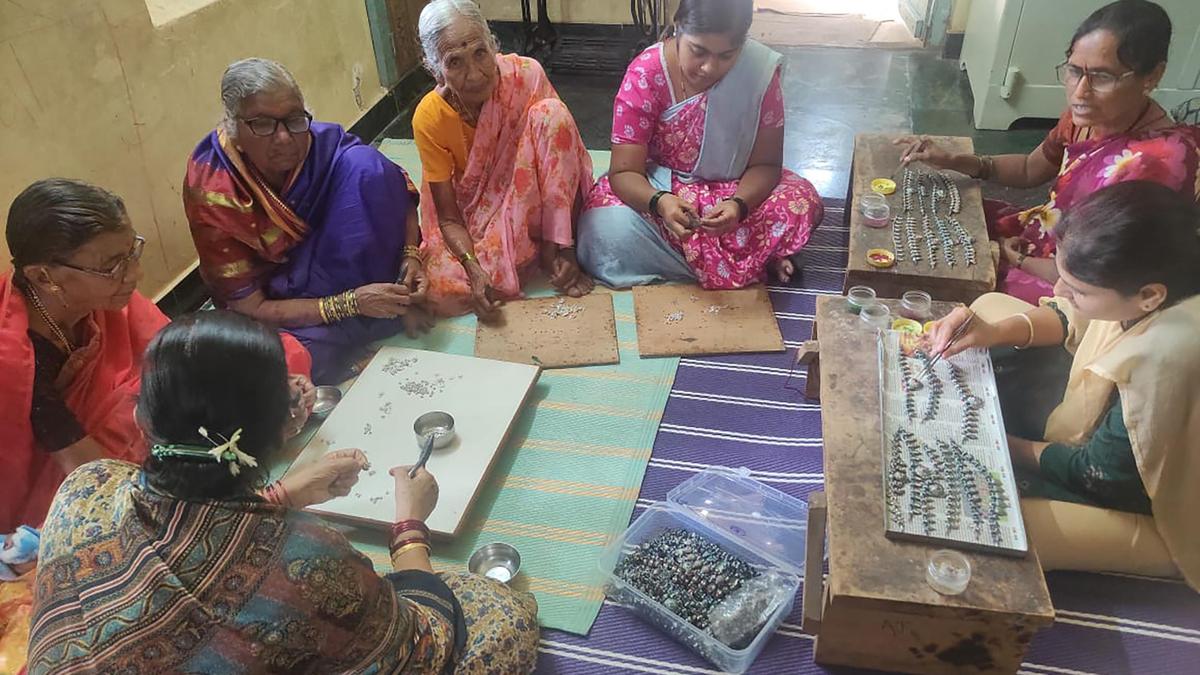
The town of Hupari in Maharashtra has emerged as a hub of silver craftsmanship, with women artisans forming the backbone of a thriving trade valued at approximately ₹1,000 crore. The industry, rooted in more than a hundred years of tradition, continues to employ scores of female workers who bring generations of expertise to intricate silverwork and jewelry production.
These women artisans navigate a complex landscape where their contributions remain fundamental to the sector's survival, yet their labor is frequently undercompensated. Many operate within family-based production units, where formal recognition and leadership opportunities remain limited despite their essential role in maintaining quality standards and meeting market demand.
Despite facing structural inequalities within the trade, the women of Hupari have gradually built pathways toward economic autonomy. Their persistent engagement with the craft has enabled them to secure steady livelihoods and establish themselves as indispensable to the region's economy. The silver industry stands as a testament to how traditional skills can generate substantial wealth while remaining rooted in local communities.
The continued growth of Hupari's silver sector reflects broader questions about labor equity in India's craft industries. As demand for handcrafted silver products persists domestically and internationally, the role of these artisans in sustaining both cultural heritage and economic vitality becomes increasingly evident, even as calls for improved working conditions and fair compensation grow louder.