Politics · India Bureau
Women dominate Mudra scheme accounts but lag in loan disbursements
Government data reveals a significant gender disparity in India's Pradhan Mantri Mudra Yojana, with women accounting for roughly two-thirds of all loan accounts but receiving less than half of total fund disbursements. The gap underscores persistent challenges in ensuring equitable access to credit for women entrepreneurs.
LSN India ·
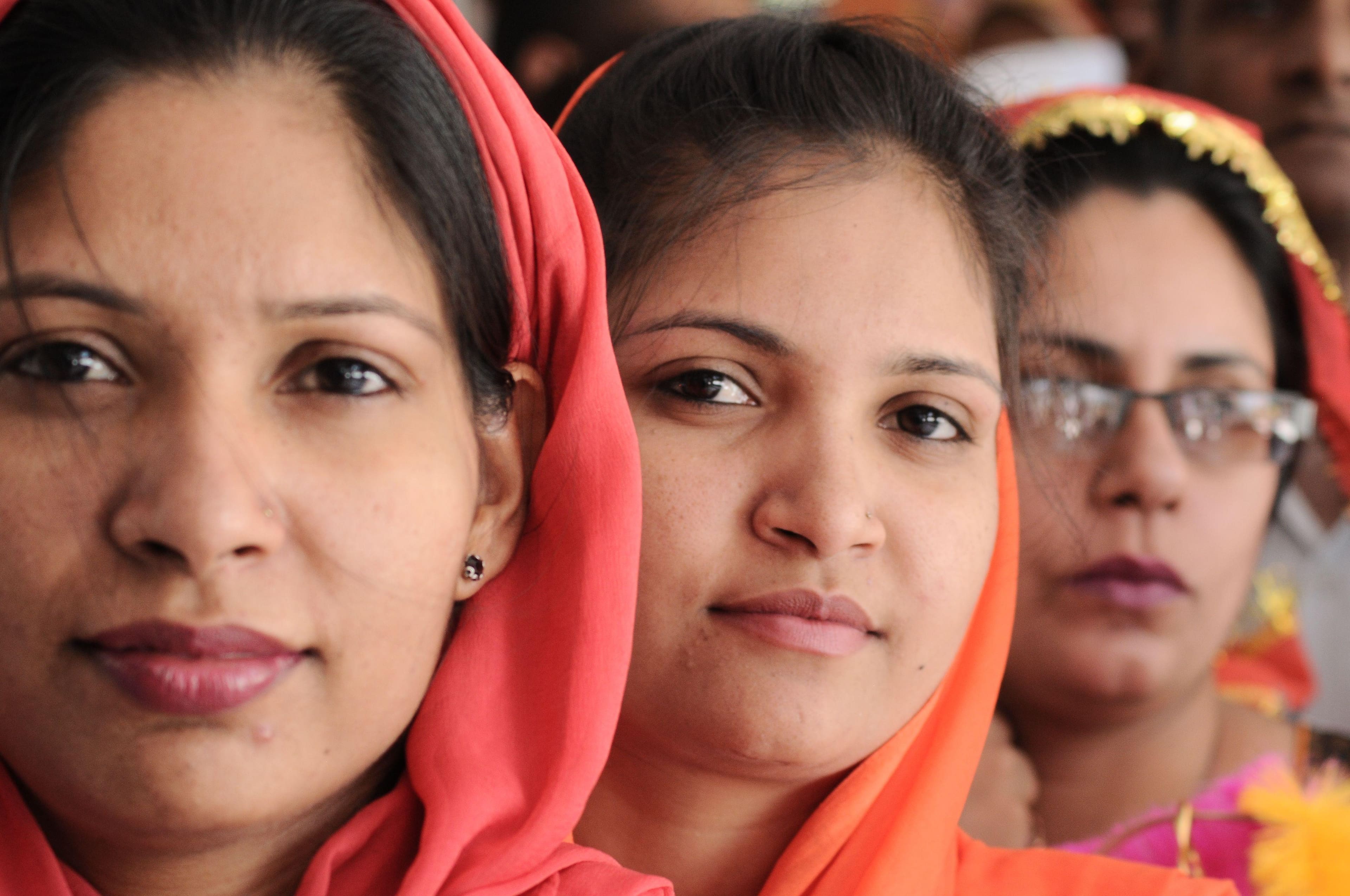
Women entrepreneurs have opened 370.7 million accounts under the Pradhan Mantri Mudra Yojana, India's flagship micro-finance scheme, yet receive only 43 per cent of the total loan disbursements, according to official government statistics. The disparity points to a structural imbalance in how credit is distributed across the scheme, despite women's majority presence in the program's account holder base.
The data indicates that women borrowers are consistently receiving smaller loan amounts compared to their male counterparts under the scheme. This translates to lower average disbursement values for female entrepreneurs, even as they represent a significant portion of the scheme's participants. The trend raises concerns about the adequacy of credit support reaching women-led micro and small businesses.
The Mudra Yojana, launched in 2015, was designed to provide collateral-free loans to micro and small enterprises, with particular emphasis on supporting marginalized sections including women entrepreneurs. The scheme has disbursed loans across manufacturing, service, and trading sectors. However, the divergence between account ownership and actual fund access suggests that gender-based barriers persist in loan approval processes or loan size determination.
Policy analysts have flagged the need for targeted interventions to bridge the credit gap, including enhanced financial literacy programs for women applicants and streamlined lending procedures to ensure equitable loan amounts. The findings come at a time when women's participation in formal entrepreneurship remains below potential across India's business landscape.