Politics · India Bureau
Women lead mangrove restoration drive in Sundarbans forest
A grassroots initiative of women has emerged as a vital force in protecting and regenerating the Sundarbans mangrove ecosystem through large-scale sapling plantation efforts. The movement recently received national recognition when Prime Minister Narendra Modi highlighted their conservation work during his monthly radio address.
LSN India ·
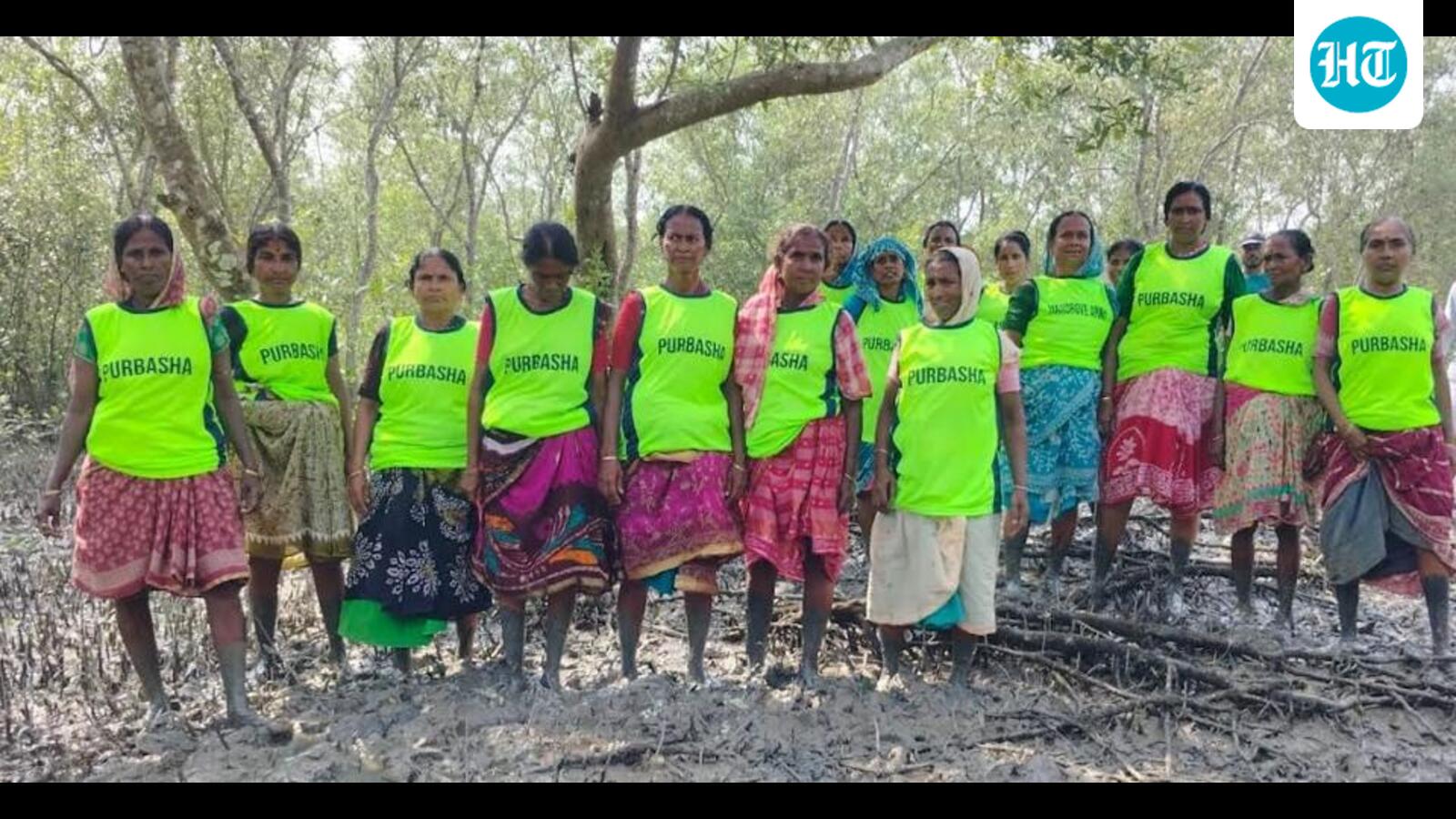
Women-led conservation groups working across the Sundarbans region have intensified efforts to restore the world's largest mangrove forest through systematic plantation and protection initiatives. Dubbed the "Mangrove Army" for their dedication and scale of operations, these activists have mobilized community participation in a sustained campaign to address ecological degradation and combat climate change impacts in the delta region.
The Sundarbans, spanning parts of West Bengal and Bangladesh, faces mounting pressure from rising sea levels, saltwater intrusion, and land erosion. Local women have taken the lead in organizing plantation drives, engaging villagers in environmental stewardship, and establishing nurseries to produce native mangrove saplings for reforestation programs across vulnerable coastal areas.
Recognizing the significance of these grassroots efforts, Prime Minister Narendra Modi praised the initiative during his Mann Ki Baat address broadcast on September 27. The national endorsement has amplified the visibility of the women-led conservation movement and underscored the government's emphasis on environmental protection and community-based ecological restoration.
Experts acknowledge that women's participation has been crucial to the success of mangrove restoration projects in the region. Beyond environmental outcomes, the initiatives have created livelihood opportunities for local communities while building awareness about the importance of mangrove ecosystems in protecting coastal populations from cyclones and maintaining biodiversity in one of India's most ecologically sensitive zones.