World · India Bureau
Women, Muslims remain vastly underrepresented in West Bengal Assembly
Despite West Bengal's image as a progressive state, women and Muslim legislators have held minimal representation in the state assembly. The gender and religious composition of the house reflects significant gaps in political participation from these communities.
LSN India ·
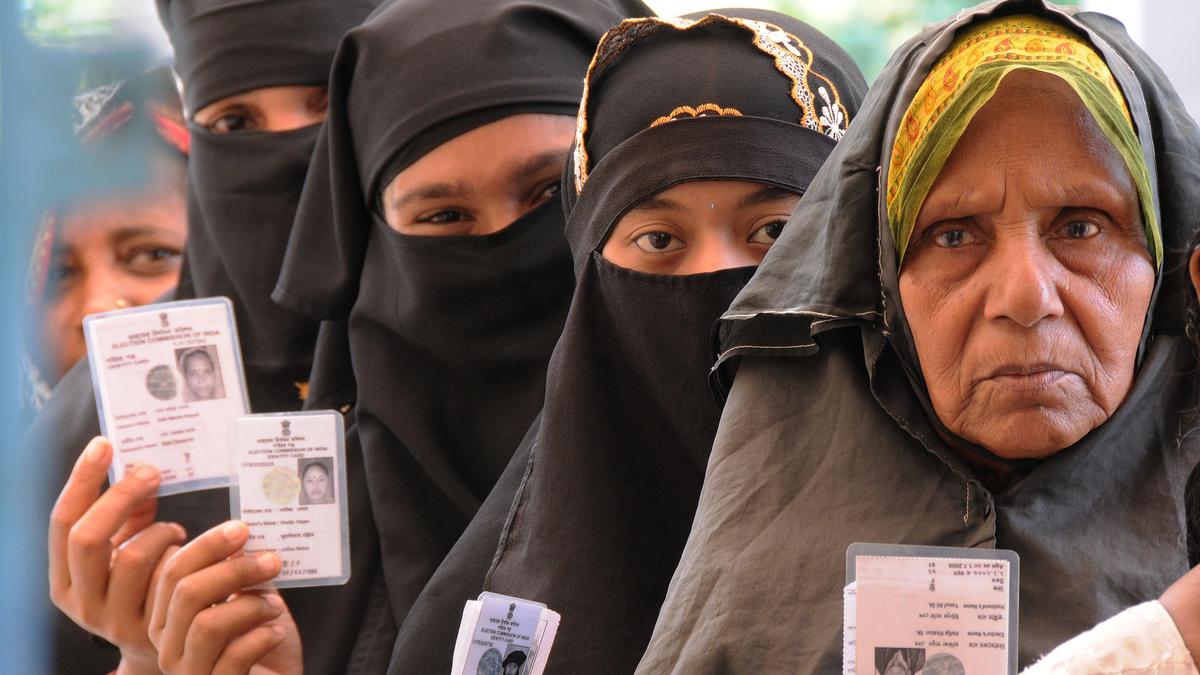
West Bengal's legislative assembly has historically failed to adequately represent women and Muslim populations, even as the state cultivates a reputation for progressive politics and social consciousness.
Analysis of assembly composition reveals that women legislators remain sparse across successive governments, with female representation consistently falling short of demographic proportions. Similarly, Muslim members of the state assembly have occupied only a small fraction of seats relative to their population share in West Bengal.
The pattern persists despite the state's intellectual traditions and political culture emphasizing social reform and inclusive governance. Political scientists point to entrenched structural barriers, including nomination practices by major parties and electoral dynamics that disadvantage candidates from underrepresented communities.
Civil society organizations and political commentators have called for systematic measures to improve representation, including stronger party mechanisms for candidate selection and campaigns to encourage political participation among women and minorities. The issue has become increasingly visible in state-level political discourse as questions of democratic representation gain prominence.
Improving the diversity of the West Bengal Assembly remains a challenge for political parties seeking to align practice with the state's espoused values of egalitarianism and social progress.