World · Bangladesh Bureau
Women now dominate medical education, comprising 63% of student intake
Female students have become the majority in medical colleges across the region, marking a significant shift in healthcare workforce demographics. The trend reflects growing educational access for women and changing career preferences in the medical field.
LSN Bangladesh ·
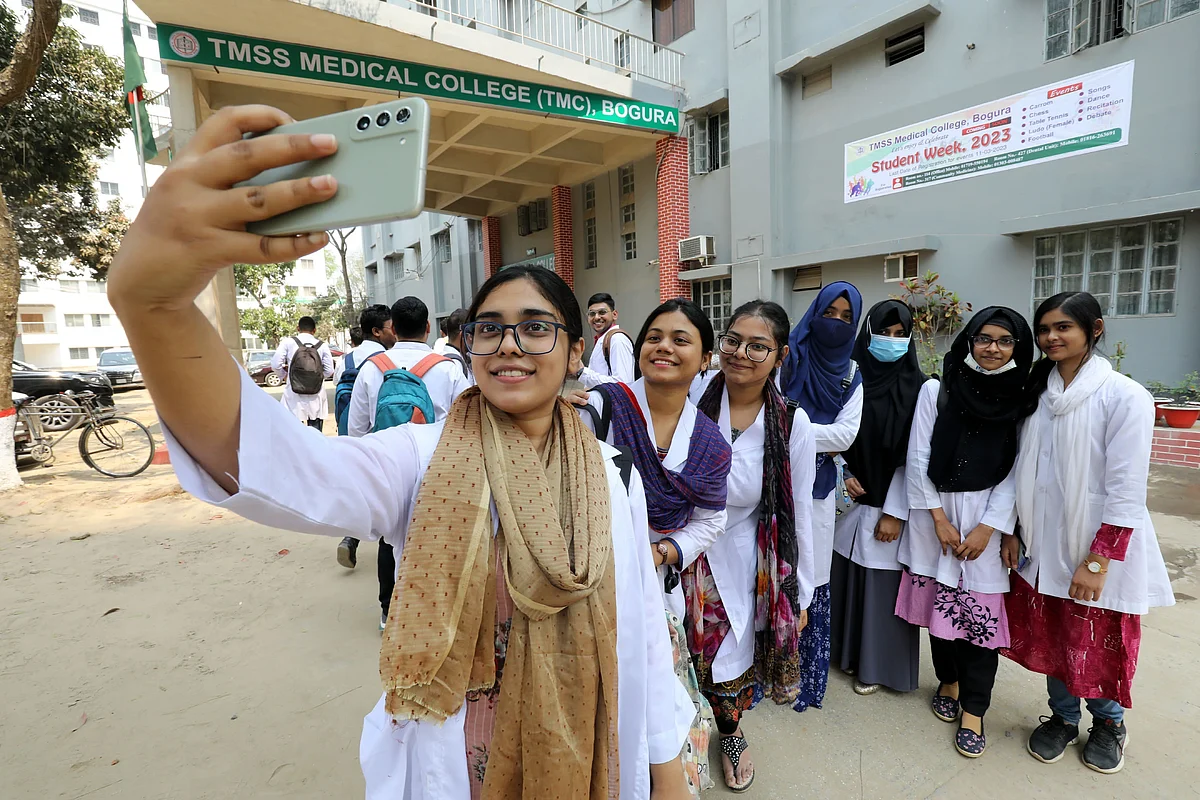
Women now account for 63 percent of medical students enrolled in institutions across South and Southeast Asia, signaling a major transformation in the composition of the region's future healthcare workforce. This substantial female representation represents a considerable increase from previous decades when male students dominated medical education programs.
The growing number of female medical students reflects broader improvements in educational access for women and their increased participation in professional fields traditionally dominated by men. Medical colleges have witnessed consistent year-on-year increases in female enrollment, with women now outnumbering their male counterparts in many institutions.
The shift carries significant implications for healthcare delivery across the region. Medical experts suggest that increased female representation in the profession may help address healthcare gaps, particularly in maternal and child health services, while also promoting gender diversity in clinical settings and hospital administration.
Educational authorities attribute the trend to improved literacy rates among women, stronger enforcement of gender equality policies in educational institutions, and greater recognition of women's capabilities in demanding professional roles. The momentum is expected to continue as more girls pursue higher education and medical careers become increasingly accessible to female students from diverse socioeconomic backgrounds.