World · Malaysia Bureau
Women's group pushes for clearer definition of resolved nafkah cases
Sisters in Islam has called for maintenance payments to be the true measure of case resolution, rather than administrative closure alone. The women's rights organisation argues that current practices fail to distinguish between legally concluded cases and those where financial obligations are actually met.
LSN Malaysia ·
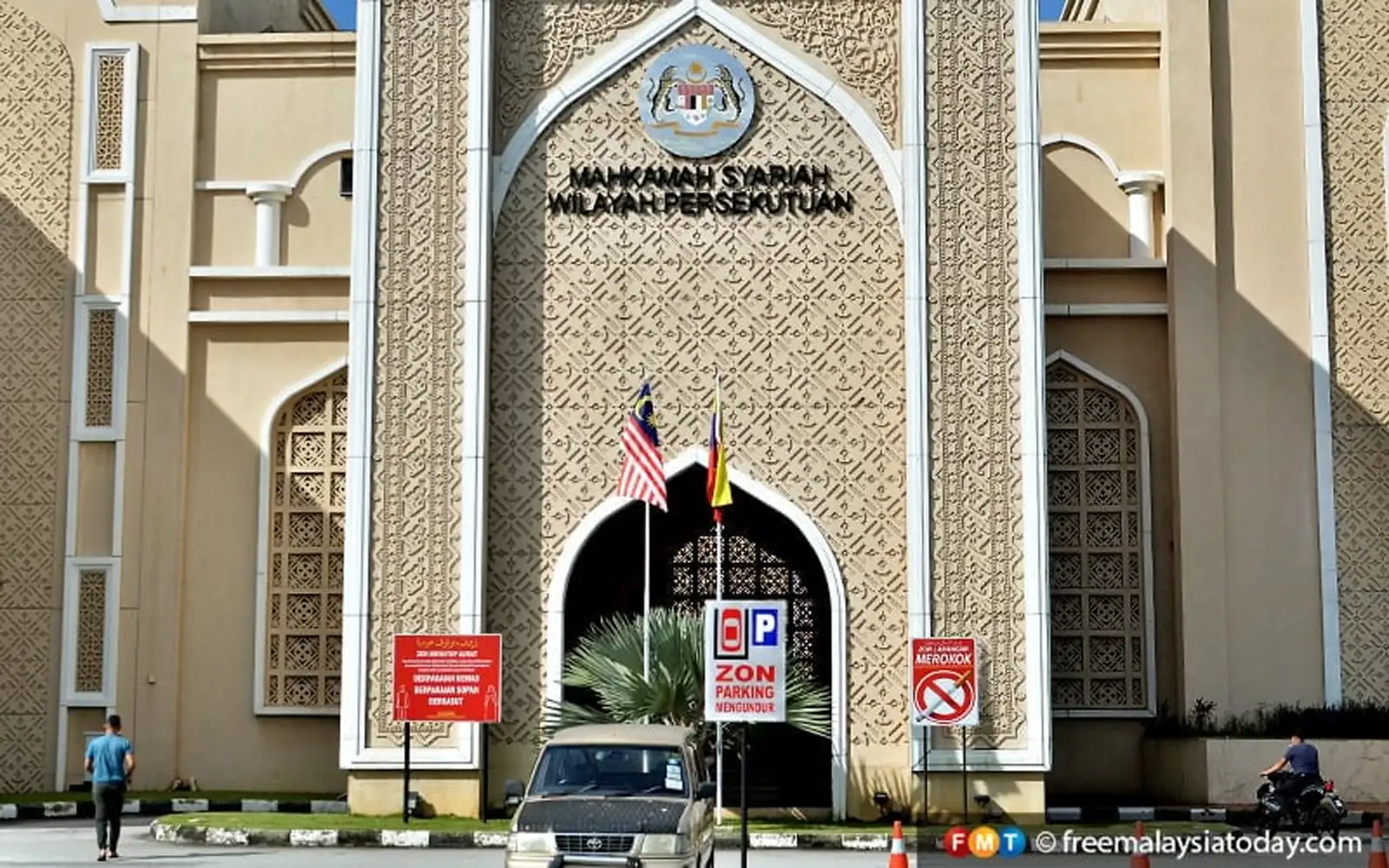
Sisters in Islam (SIS) has highlighted a critical gap in how nafkah maintenance cases are classified as resolved in Malaysia's legal system. The advocacy group contends that a case should only be considered resolved when the liable party has actually paid the maintenance owed to the dependant, not merely when the case has been administratively closed by the court.
The distinction is significant, as it affects how authorities track compliance with maintenance orders and whether dependants receive the financial support mandated by Islamic and civil law. Under current practice, cases may be marked as concluded without verification that payments have been made in full, potentially masking instances where maintenance obligations remain unfulfilled.
SIS's position reflects broader concerns about enforcement mechanisms in Malaysia's family law framework. The group argues that redefining resolution standards would improve accountability and ensure that vulnerable parties—predominantly women and children—actually receive the financial support to which they are entitled.
The call comes amid ongoing discussions about strengthening Malaysia's approach to family law enforcement and addressing backlogs in maintenance disputes. Policymakers and legal practitioners will likely face pressure to clarify definitions and establish clearer benchmarks for measuring the success of maintenance orders.