Politics · Myanmar Bureau
World Court rules Myanmar committed genocide against the Rohingya
The International Court of Justice found on 19 November that Myanmar's security forces acted with intent to destroy a substantial part of the Rohingya during the 2016-17 military campaign in Rakhine State, ending a case brought by The Gambia in 2019.
LSN Myanmar ·
<p>The International Court of Justice (ICJ) ruled on Thursday (19 November) that Myanmar committed acts of genocide against its Rohingya minority during military "clearance operations" in Rakhine State in 2016 and 2017, according to reports by AP, The Guardian, and Al Jazeera and Reuters.</p>
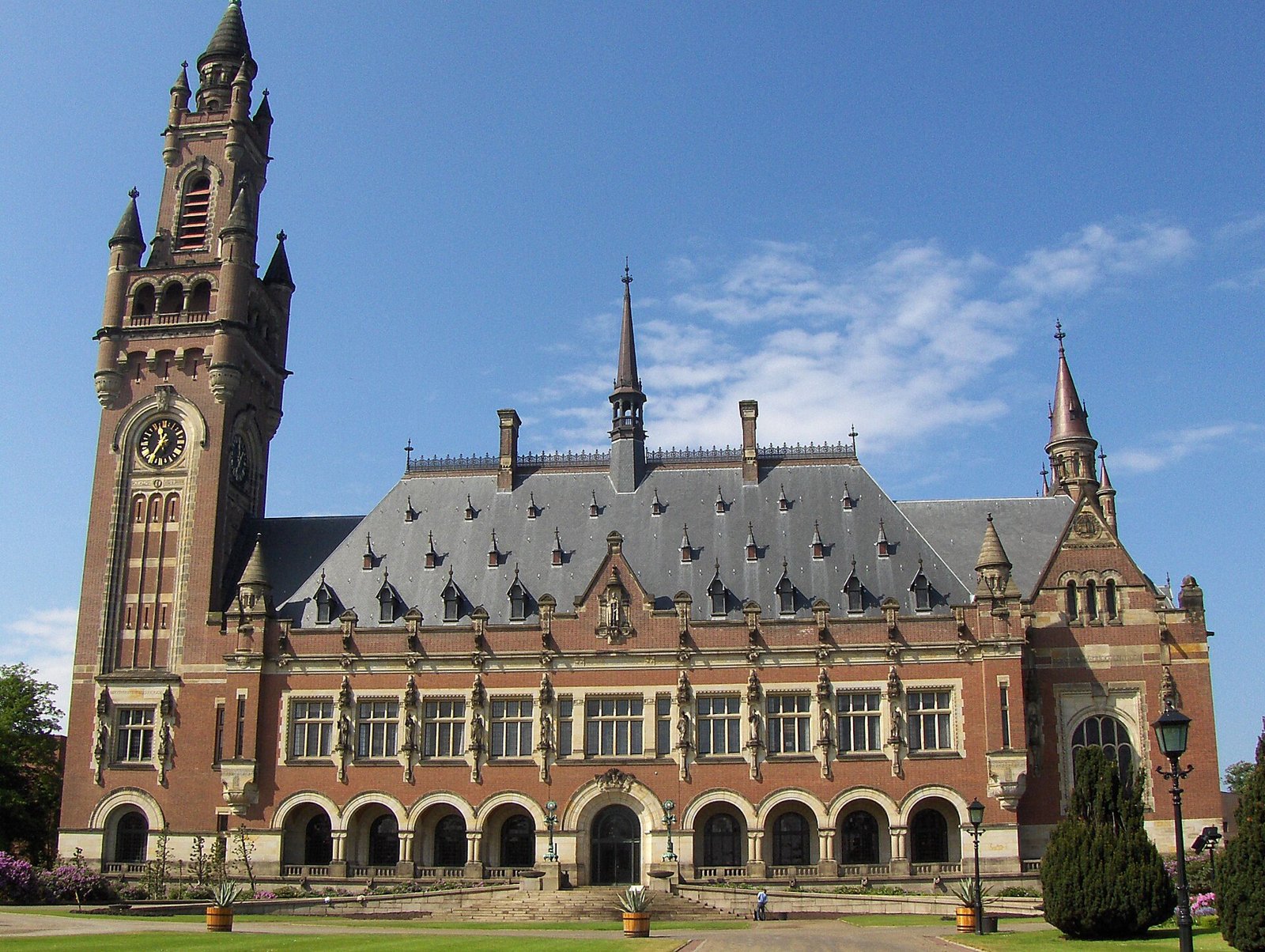
<p>"The court is fully convinced that Myanmar committed acts falling under ... the genocide convention with an intent to destroy a substantial part of the Rohingya population in Myanmar," ICJ President Yuji Iwasawa said as he read out the judgment at the Peace Palace in The Hague, The Guardian reported.</p>
<p>AP reported that the court found the "only reasonable inference" from evidence of widespread atrocities by Myanmar's security forces was that they intended to destroy a "substantial part" of the group. Intent is the key element that separates genocide from other grave crimes under international law.</p>
<p>According to Al Jazeera and Reuters, Iwasawa said the evidence showed Myanmar's forces killed some 10,000 Rohingya. He said the court found that the security forces killed thousands of Rohingya civilians, committed widespread sexual violence and extreme violence against children, and attacked Rohingya as they fled in large numbers to Bangladesh. The court also found that Myanmar violated its obligation to prevent genocide, Al Jazeera reported.</p>
<p>The Gambia, a Muslim-majority West African state, filed the case in 2019 under the 1948 Genocide Convention. The military campaign drove more than 700,000 mostly Muslim Rohingya across the border into Bangladesh. More than one million Rohingya still live in refugee camps in Cox's Bazar, according to UN figures cited by Al Jazeera.</p>
<p>Myanmar has denied genocide throughout the case. It has said its operations targeted the Arakan Rohingya Salvation Army (ARSA), a militant group that attacked police posts.</p>
<p>The Gambia had asked the court to order Myanmar to prosecute those responsible, provide reparations and allow the Rohingya to return safely, according to Human Rights Watch and Al Jazeera. Initial reports of the reading did not set out which of those measures the court granted. Myanmar has disputed The Gambia's right to seek reparations on the Rohingya's behalf.</p>
<p>The judgment is final and cannot be appealed, but the ICJ has no power to enforce it. If a party fails to comply, the other side can take the matter to the UN Security Council, Human Rights Watch noted.</p>
<p>The Guardian said the ICJ had never before found a state responsible for genocide. In a Balkans case, the court found Serbia responsible only for failing to prevent and punish the 1995 Srebrenica genocide.</p>
<p>The ICJ rules on disputes between states and does not try individuals. Myanmar President Min Aung Hlaing led the military during the 2016-17 operations. The Guardian reported that he faces a pending arrest warrant at the International Criminal Court on allegations of crimes against humanity.</p>
<p>The ruling is also being closely watched for what it signals about South Africa's separate genocide case against Israel over Gaza, The Guardian and Foreign Policy reported.</p>