World · India Bureau
World Ozone Day highlights critical need to protect Earth's UV shield
As the world marks International Ozone Day on September 16, focus turns to the atmospheric layer that shields life on Earth from harmful ultraviolet radiation. The annual observance underscores ongoing concerns about the vulnerability of this vital protective barrier.
LSN India ·
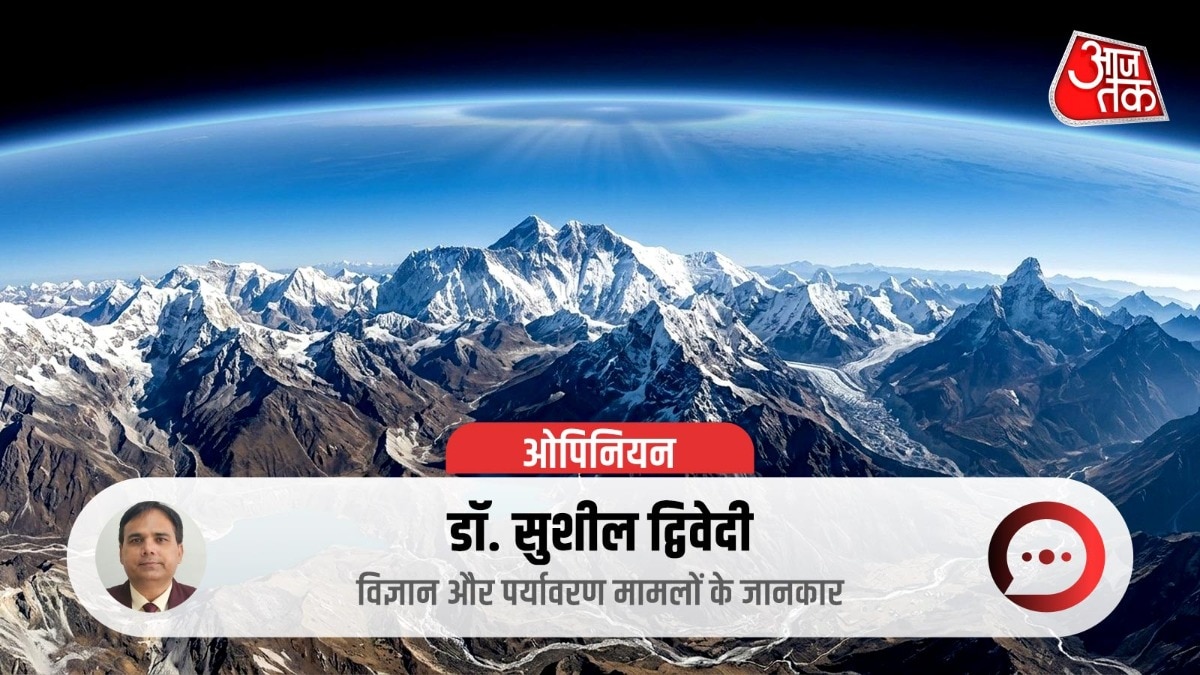
The ozone layer, a region of Earth's stratosphere rich in ozone gas, serves as a critical shield against ultraviolet (UV) radiation from the sun. Without this protective layer, harmful UV rays would penetrate the atmosphere unchecked, posing severe risks to human health, marine ecosystems, and terrestrial life. World Ozone Day, observed every September 16, was established to raise awareness about the importance of this atmospheric component and the threats it continues to face.
The date commemorates the signing of the Montreal Protocol in 1987, a landmark international treaty designed to protect the ozone layer by phasing out substances that deplete it. Since its adoption, the protocol has been widely recognized as one of the most successful environmental agreements globally, with nearly universal participation from nations worldwide. The treaty specifically targeted chlorofluorocarbons (CFCs) and other ozone-depleting substances commonly used in refrigeration, air conditioning, and industrial processes.
Despite decades of coordinated global action, the ozone layer remains under threat. Recovery is expected to take several more decades, with scientists projecting that the ozone hole over Antarctica could return to pre-1980 levels by mid-century. Current observations indicate that while the rate of ozone depletion has slowed, the layer continues to require vigilant protection and monitoring to ensure its complete restoration.
Experts emphasize that maintaining public awareness and continued commitment to the Montreal Protocol remain essential to safeguarding this vital atmospheric asset. Nations across South and Southeast Asia, along with the rest of the world, continue efforts to phase out remaining ozone-depleting substances while transitioning to safer alternatives in manufacturing and cooling applications.