World · India Bureau
World's fastest trains: From Shanghai maglev to Europe's high-speed rail
Modern trains have evolved from mere transport to speed marvels, with magnetic levitation and rail innovations pushing boundaries across Asia and Europe. China's Shanghai maglev leads the pack at 460 km/h, while competing systems in Japan and Europe approach comparable velocities.
LSN India ·
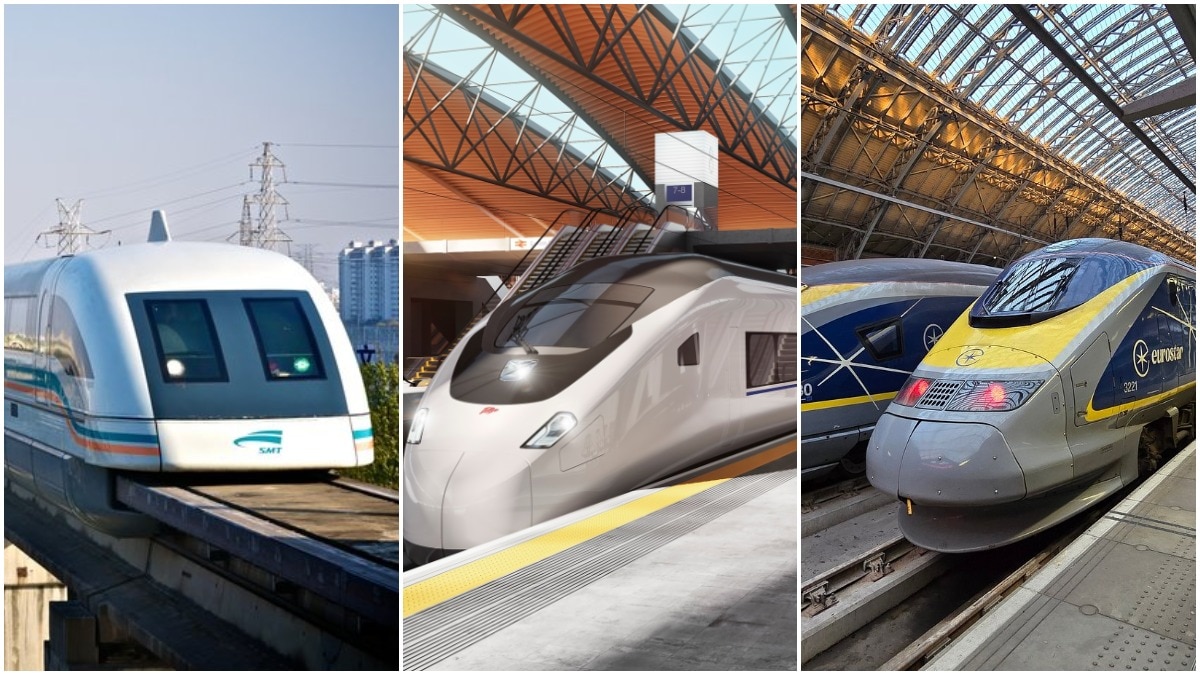
The global railway landscape has undergone a dramatic transformation, with high-speed rail networks now defining transportation efficiency across multiple continents. China's Shanghai maglev train stands at the forefront of this technological revolution, achieving speeds of approximately 460 kilometres per hour—a benchmark that has redefined what's possible in rail transportation.
Across Asia and Europe, numerous high-speed trains now operate within the 300-400 km/h range, fundamentally changing passenger travel paradigms. Japan and several European nations have emerged as key players in this competitive landscape, developing proprietary technologies and infrastructure that rival or complement Chinese innovations in the sector.
These ultra-high-speed networks represent significant investments in infrastructure and engineering expertise, reducing travel times between major metropolitan areas and offering viable alternatives to air and automotive transport. The proliferation of such systems reflects broader regional commitments to sustainable mobility and economic connectivity, with multiple countries viewing high-speed rail as essential components of modern transportation infrastructure and national competitiveness strategies.