World · India Bureau
World's Wettest Regions Face Emerging Drought Crisis, Data Shows
Meghalaya's Mawsynram and Cherrapunji, among the planet's most rainfall-abundant areas, are confronting growing water scarcity as precipitation patterns shift. Rising temperatures and fewer rainy days threaten the ecological balance of these traditionally monsoon-dependent regions.
LSN India ·
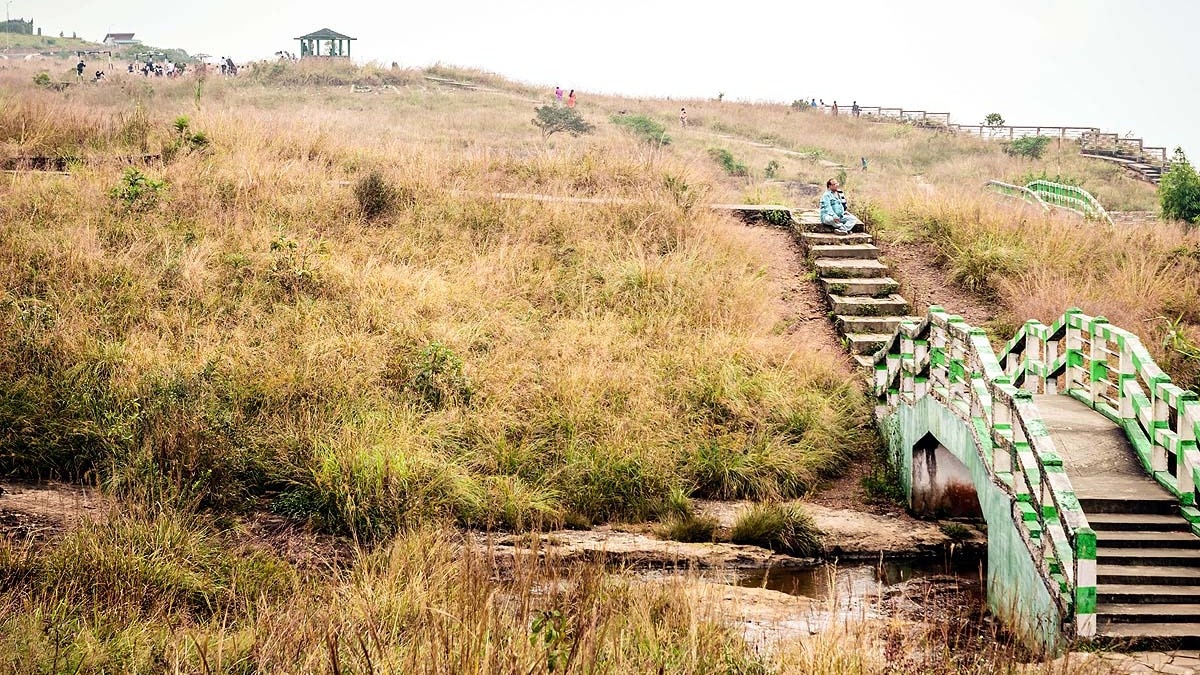
The two northeastern Indian hill stations, long synonymous with heavy precipitation, are experiencing a paradoxical climate shift that defies their historical weather patterns. Despite their global reputation for extreme wetness, both locations are increasingly vulnerable to drought conditions as meteorological trends reshape the region's hydrological cycle.
Meteorological records indicate that while total rainfall volumes remain substantial, the distribution pattern has become concentrated into intense, sporadic downpours rather than sustained precipitation over extended periods. This compression of rainfall into shorter bursts reduces water infiltration into soil and groundwater systems, diminishing overall water availability despite high nominal precipitation figures.
Simultaneously, rising average temperatures across the region are accelerating evaporation rates and shortening the duration of the traditional monsoon season. These dual pressures—altered rainfall distribution and elevated heat—are creating conditions that progressively undermine the water security that has historically characterized these areas.
The emerging crisis underscores broader climate vulnerabilities across South Asia's hill regions, where established precipitation patterns are increasingly unreliable. Local water management systems, developed over generations to handle consistent monsoon patterns, now face unprecedented challenges as climate dynamics continue to evolve.