World · Bangladesh Bureau
World War II: How Global Conflict Reshaped Modern History
As the world marks the anniversary of World War II's outbreak, historians reflect on how the devastating conflict transformed geopolitics and left scars that continue to influence international relations today. The war's origins reveal how political instability, economic hardship, and unchecked aggression set the stage for humanity's deadliest conflict.
LSN Bangladesh ·
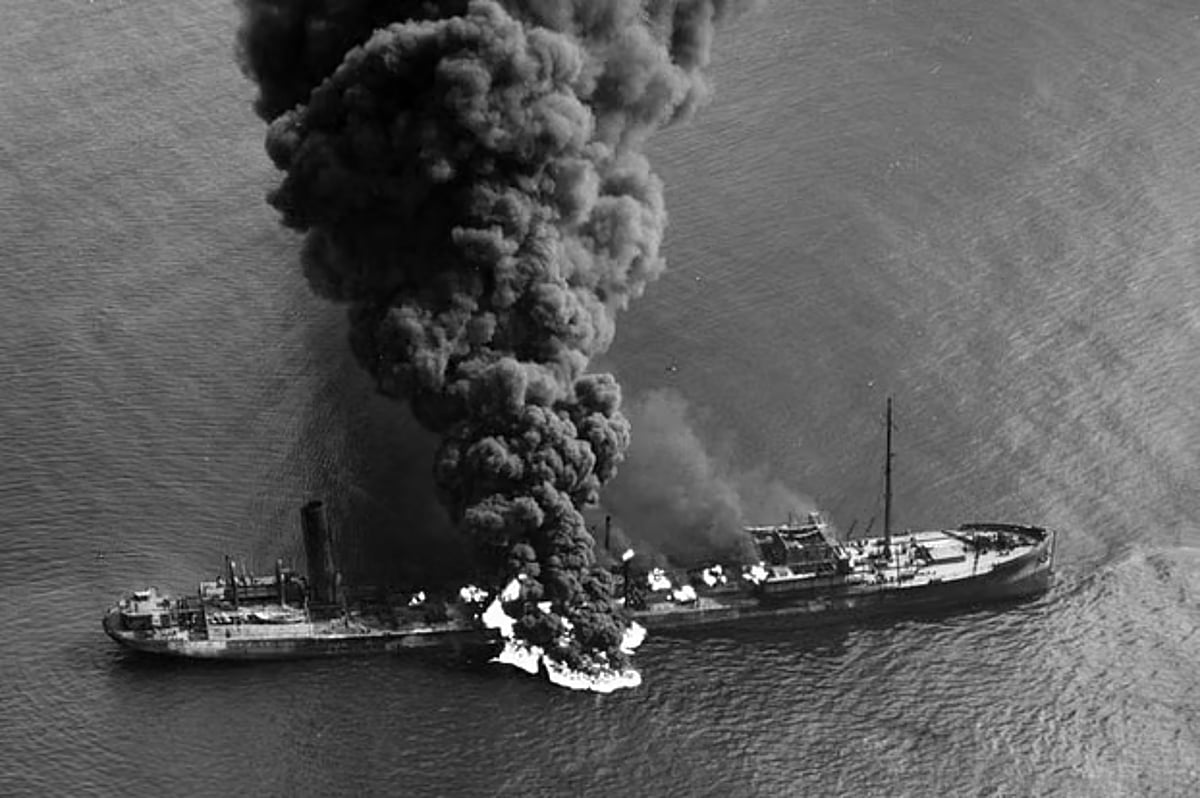
World War II stands as one of history's most catastrophic events, claiming an estimated 70 to 85 million lives between 1939 and 1945. The conflict emerged from the ashes of World War I, as unresolved tensions, punitive peace treaties, and rising totalitarian regimes created conditions ripe for another global confrontation. Economic desperation following the Great Depression fueled nationalist movements across Europe and Asia, while weak international institutions proved unable to prevent escalating hostilities.
The war's genesis lay in the territorial ambitions of Nazi Germany under Adolf Hitler, Imperial Japan's expansion in Asia, and Fascist Italy's regional aspirations. Japan's invasion of Manchuria in 1931 and subsequent invasion of China in 1937 demonstrated the failure of the League of Nations to enforce international peace. Meanwhile, Hitler's remilitarization of the Rhineland, annexation of Austria, and occupation of Czechoslovakia went largely unchecked, emboldening further aggression.
The formal outbreak of war in Europe came on September 1, 1939, when Germany invaded Poland, prompting Britain and France to declare war. However, the conflict had already claimed countless lives in Asia, where Japan's brutality in China foreshadowed the horrors to come. The war would eventually engulf six continents, involving most nations and reshaping the global order through the emergence of new superpowers and the creation of institutions designed to prevent future conflicts.
The legacy of World War II extends far beyond its military dimensions. The Holocaust revealed the depths of human cruelty, leading to international conventions on human rights and genocide. The war's conclusion marked the beginning of the atomic age and the Cold War, establishing a bipolar world order that would define geopolitics for decades. For South and Southeast Asia, the war accelerated decolonization movements and reshaped regional power dynamics in ways that remain relevant today.