World · India Bureau
Wrapping car keys in aluminium foil: Does it really protect against theft?
A common security tip suggests wrapping car keys in aluminium foil to prevent signal interception, but experts say the practice has significant limitations. Understanding how this method works—and doesn't—is crucial for vehicle owners seeking genuine security solutions.
LSN India ·
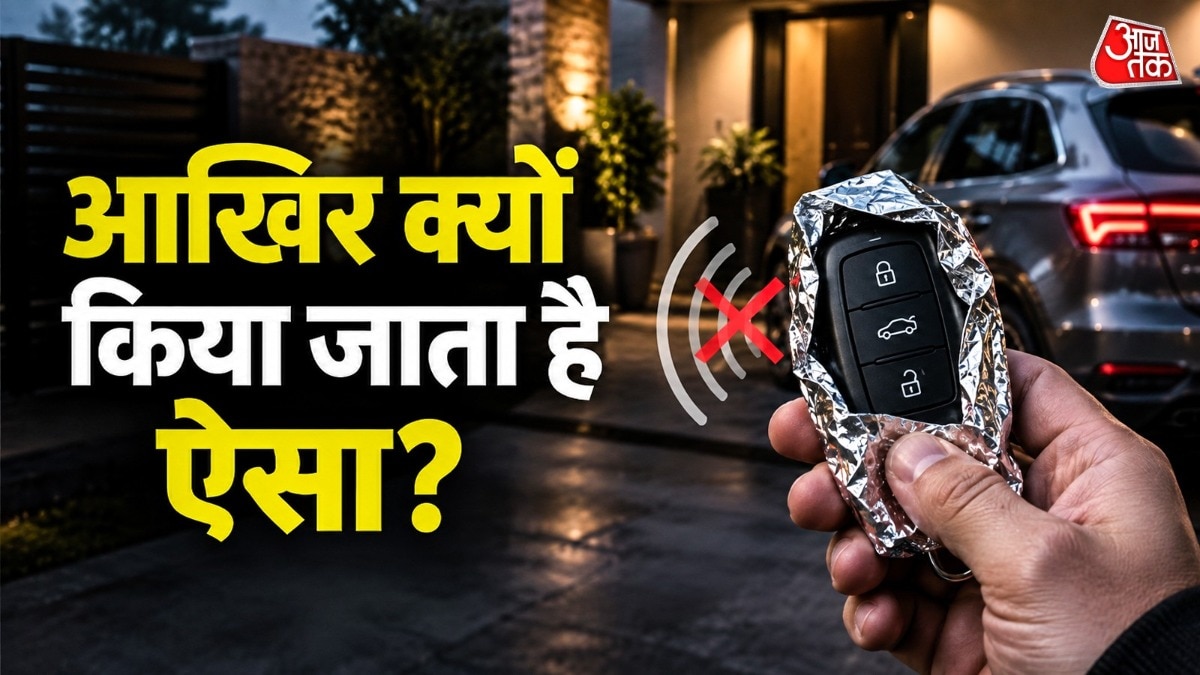
The practice of wrapping car keys in aluminium foil has gained popularity among vehicle owners concerned about relay attacks, a theft method where criminals intercept wireless signals from key fobs to unlock and steal cars. Proponents argue that the metallic layer creates a Faraday cage, blocking radio frequency signals from reaching the fob and preventing thieves from amplifying these signals remotely.
While aluminium foil does theoretically shield radio waves, experts caution that the method's effectiveness depends heavily on proper implementation. The foil must completely encase the key fob with no gaps or tears, and even minor imperfections can compromise the shielding. Additionally, many people wrap keys insufficiently, leaving portions of the fob exposed to signal transmission.
Security specialists note that aluminium foil remains a temporary and imperfect solution. Dedicated signal-blocking pouches, often made with multiple layers of specialized materials, offer more reliable protection for car keys. These pouches are designed specifically to block all radio frequencies while remaining durable for daily use, unlike foil which can tear easily.
For vehicle owners concerned about relay theft, security experts recommend combining multiple strategies: storing keys away from windows, using signal-blocking pouches, enabling additional security features on modern vehicles, and parking in secure locations. While aluminium foil offers a low-cost option, understanding its limitations ensures owners make informed decisions about protecting their vehicles.